
Modernising tiled stoves with BRUNNER. Take out the old insert, put in the new one.
Replacing a stove insert sounds more daunting than it actually is. In reality, the process is simple and often completed within just a few hours, since the stove’s outer shell remains untouched.
Only the old insert is disconnected from the flue pipe of the tiled stove’s heat storage area and pulled out like a drawer. The new one is then slid onto the same support bracket, the flue pipe reconnected, and that’s it. The stove itself stays in place – only the insert is replaced.
Why? Lower emissions.
For those who love their cosy tiled stove, this may come as unwelcome news: legislation requires the replacement of old inserts with new, low-emission models.

Modernisation for
heating support
If a solution with hot water generation is desired, only the connecting pipes to the heating system need to be installed beneath the new insert. For added convenience, an electronic combustion air control system can also be integrated. And for anyone switching from a coal grate system to wood, a grate-free insert can easily be installed.

Well prepared for the future with a
BRUNNER stove replacement unit
A new BRUNNER wood-burning insert not only meets but falls below the strict emission limits of Stage 2, while also reducing wood consumption and lowering costs. Additional emission-related improvements from BRUNNER include grate-free combustion, combustion chambers with flue gas redirection, and error-free operation.
The following overview lists industry-wide inserts that are subject to mandatory replacement under current regulations. Not every old unit can be exchanged for a BRUNNER replacement insert. For guidance, the dimensions of frequently installed old units are provided (without guarantee), along with a BRUNNER replacement recommendation.
Brunner Craftsmen search
Interested in a BRUNNER stove or heating system? Please get in touch with one of our craftsmen partners.
Our craftsman search lists more than 3.000 partner companies worldwide that can adapt any stove to meet the demands of the coming decades. From a fire safety perspective, after a stove replacement the system is evaluated as if it were a new installation, which may require additional safety measures. We recommend consulting with your craftsman or chimney sweeper.

BRUNNER stove inserts
for modernisation
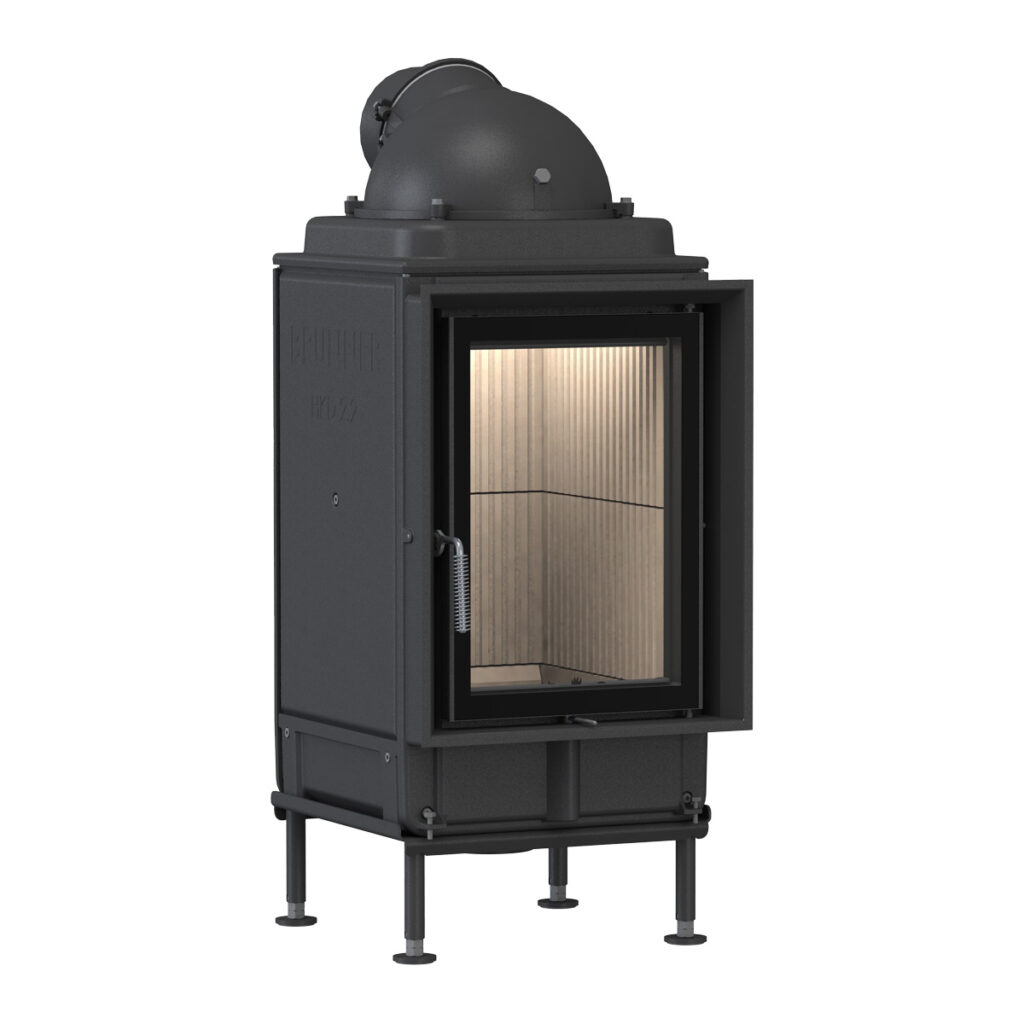
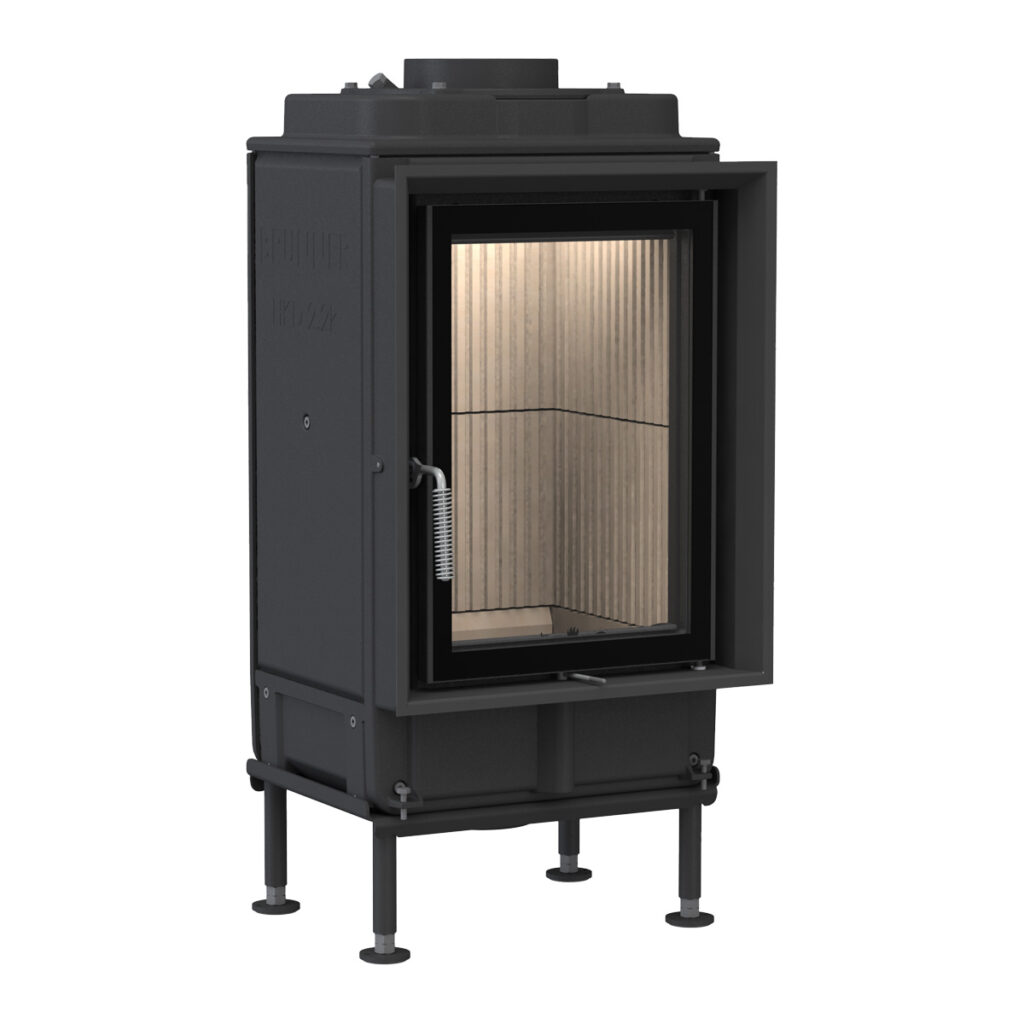
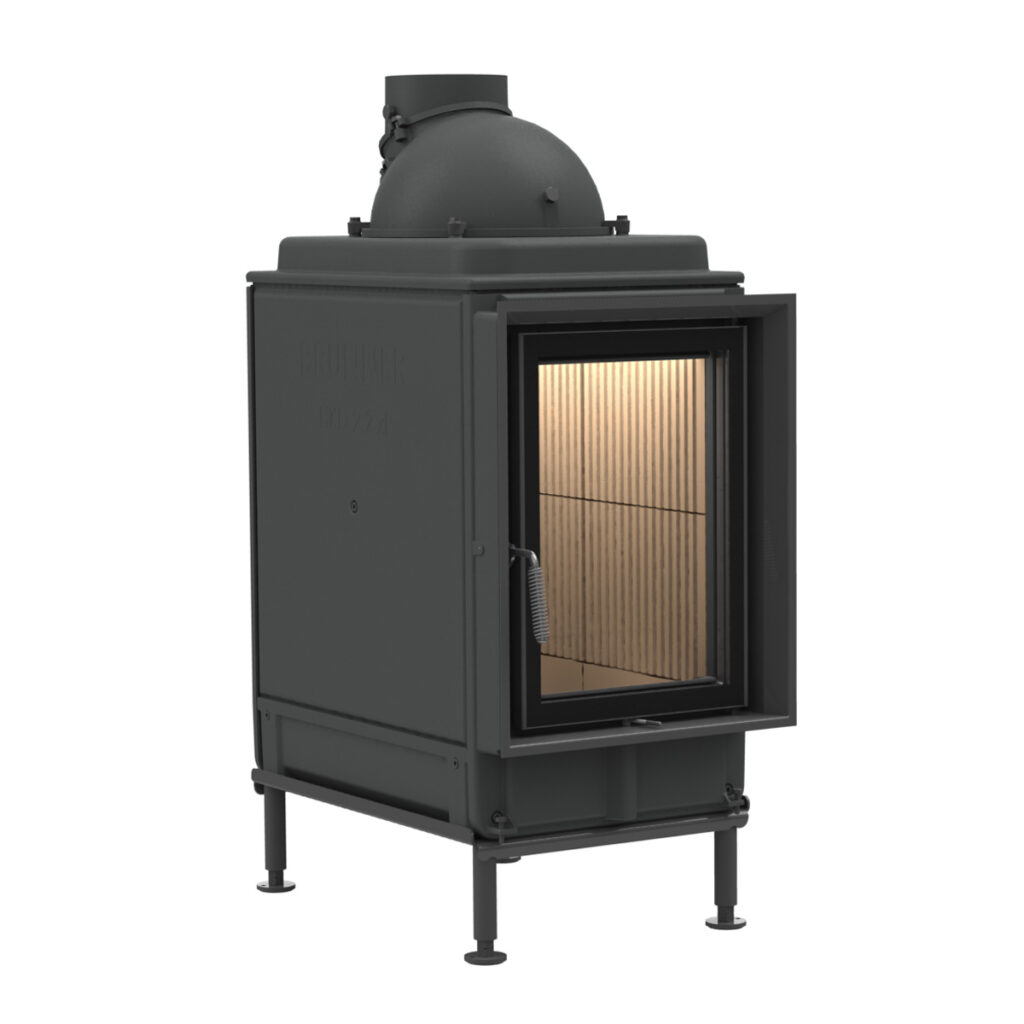
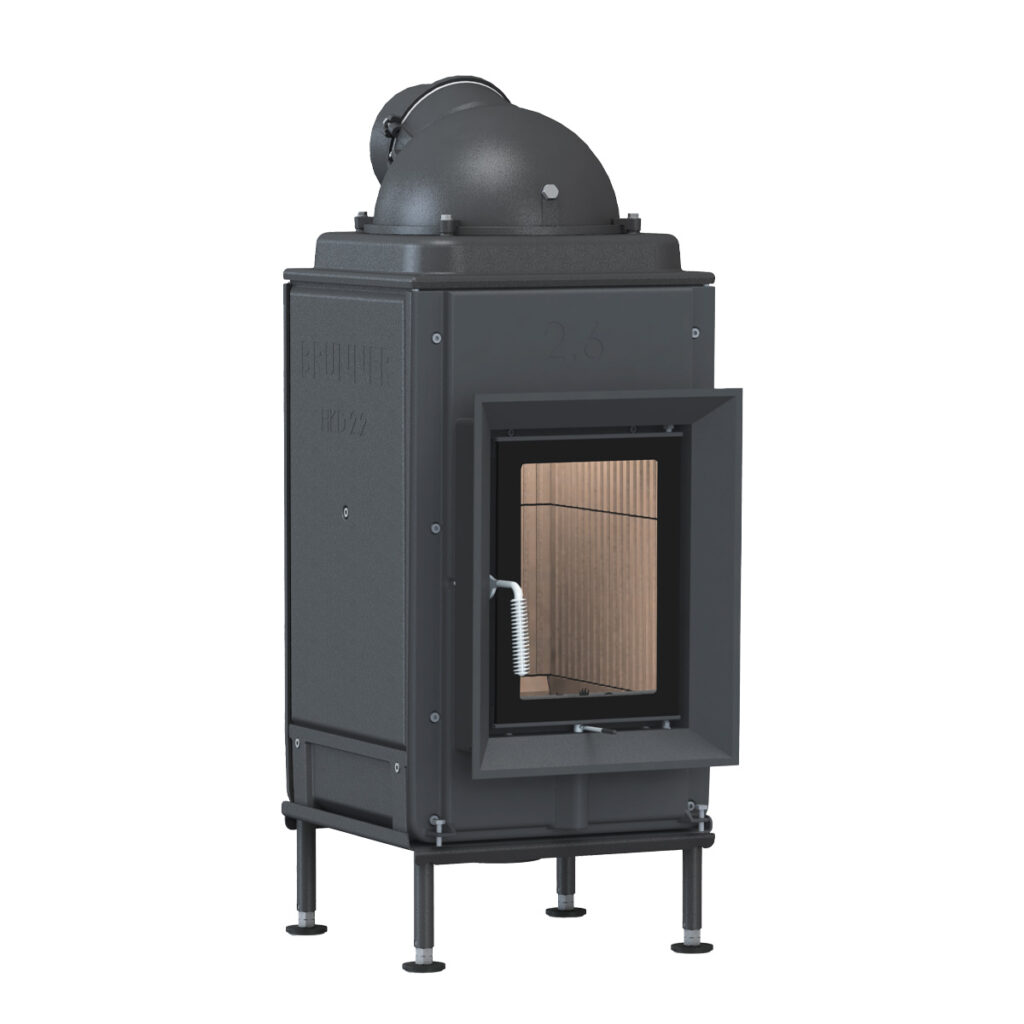

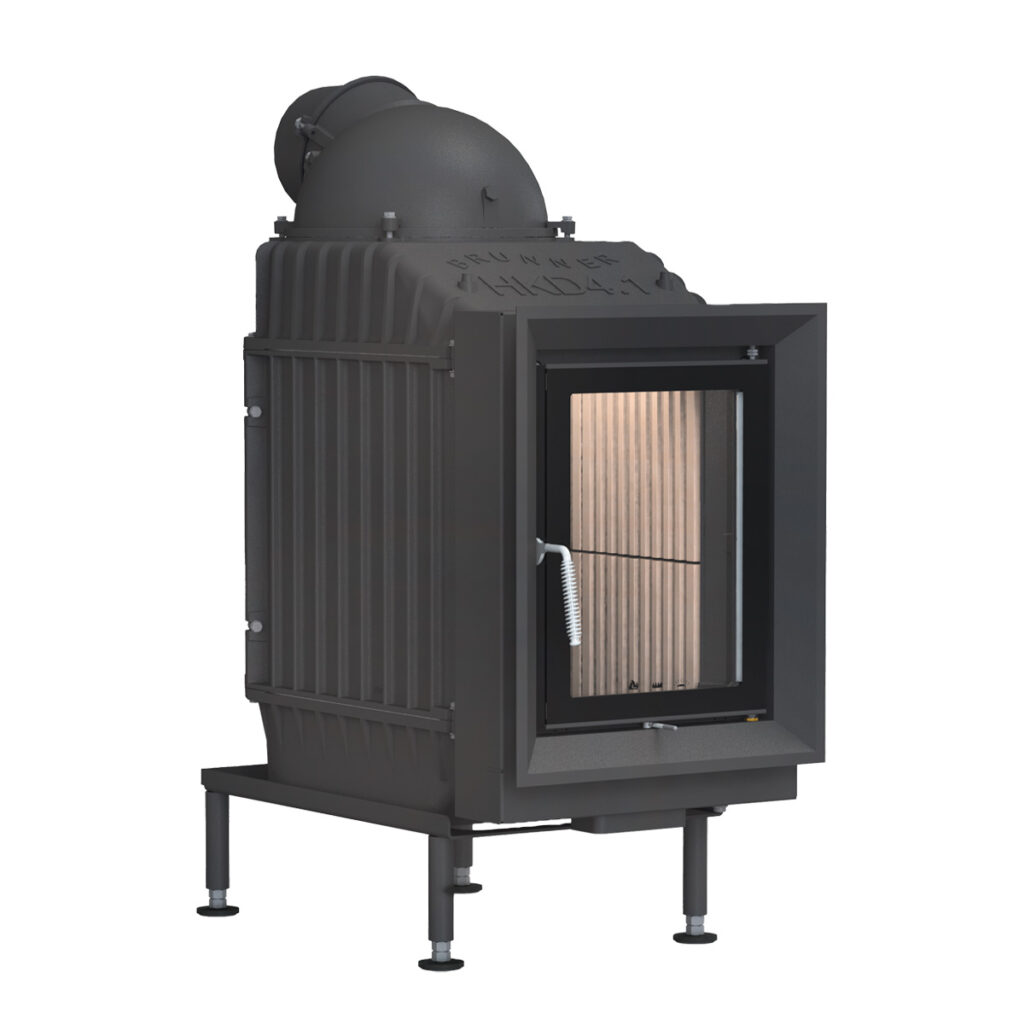
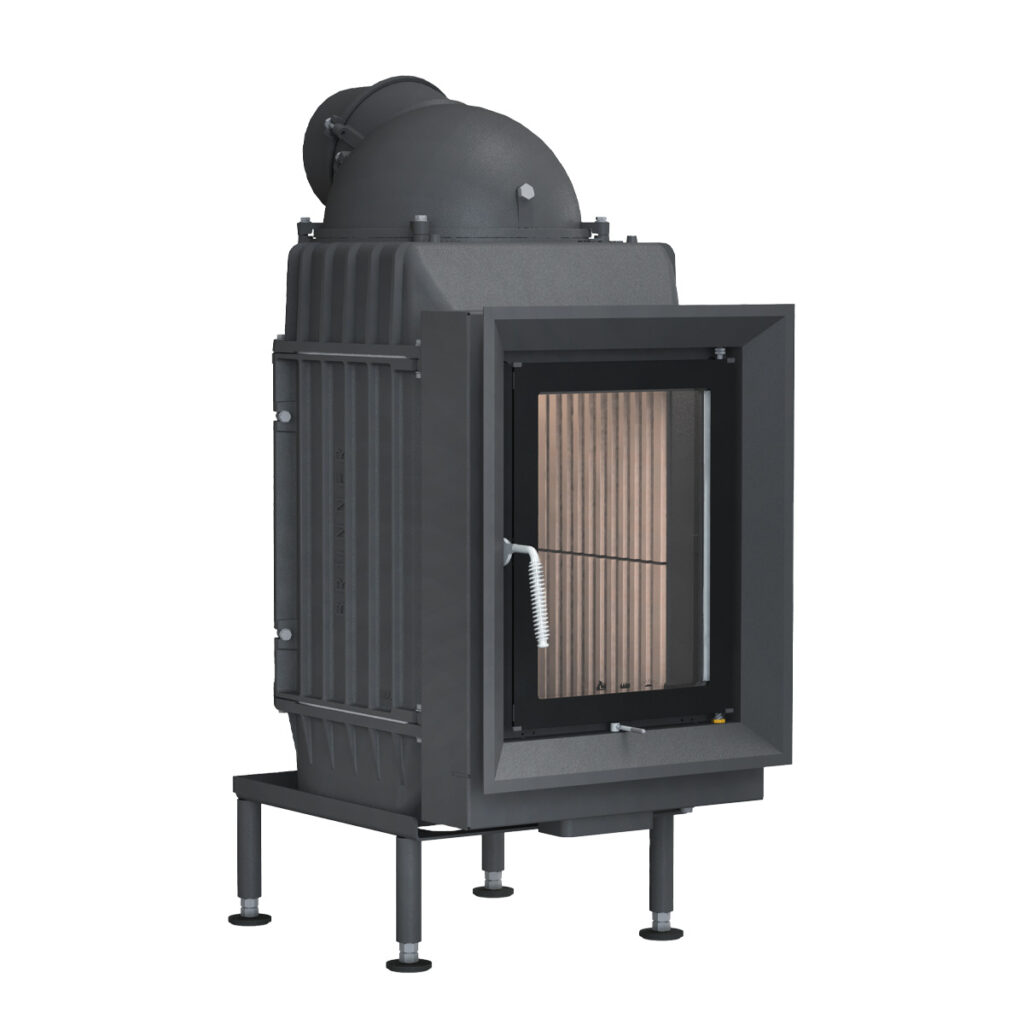
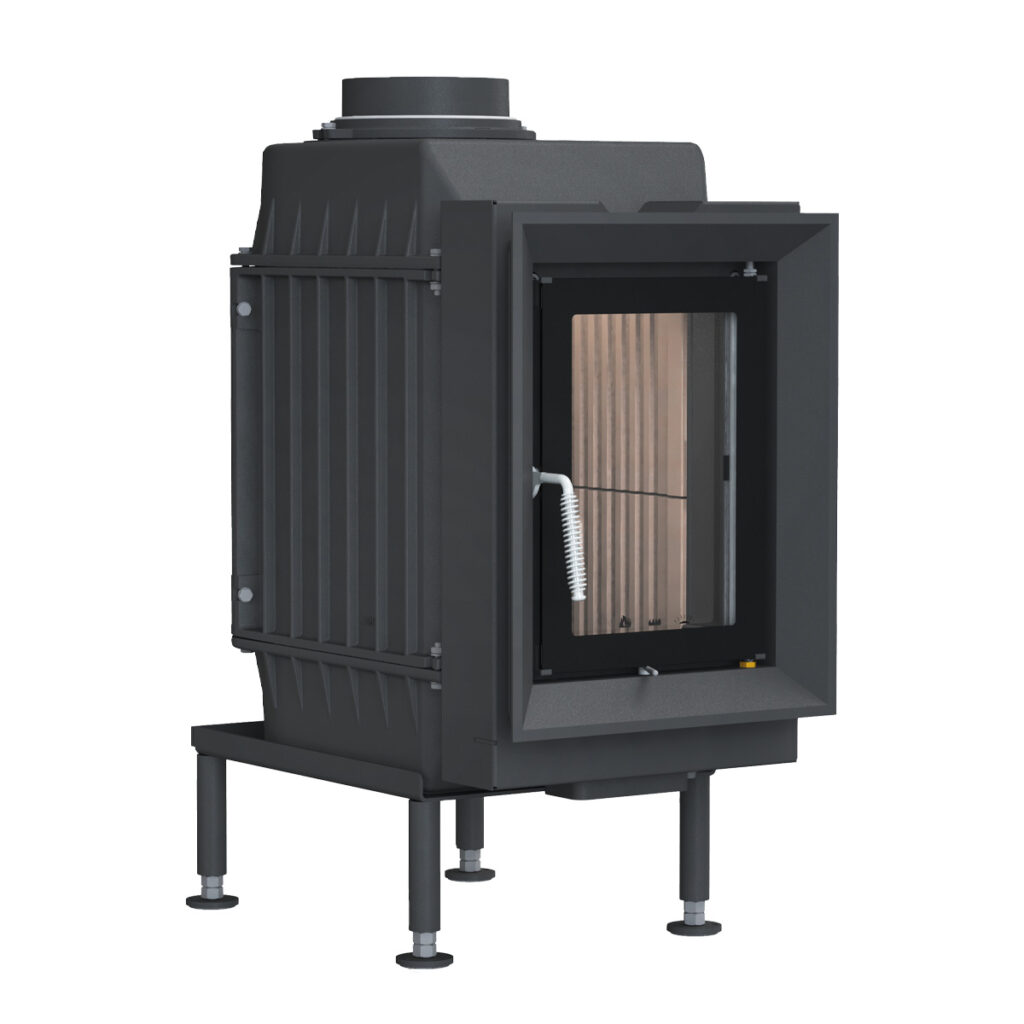


FAQ on stove modernisation
- What is the right heating insert?
Replacing a heating insert sounds worse than it is. Ideally, only the insert itself is replaced, while the stove casing remains. The old heating insert is simply disconnected from the heat recovery surface of the tiled stove by detaching the flue pipe and pulled out like a drawer. The new insert is pushed onto the same support frame and the flue pipe reconnected.
For added convenience, an electronic combustion air control can also be installed. And for anyone switching from a grate firing system with coal to wood, a grate-free insert can be used without complication.
To determine in advance which heating inserts are suitable in terms of dimensions, a selection guide is available for installers. It lists all common inserts from the past decades for which the legislator has set a replacement deadline.
- Does the heat recovery box also have to be replaced?
In case of a tiled stove with a heat recovery box that needs to be replaced, we also recommend renewing the metal heat exchanger surface. It must be decided individually whether this can be done without dismantling the stove casing, depending on the installation situation and geometry – in other words, whether the effort is reasonable.
Strictly speaking, the tiled stove insert and the heat recovery box are type-tested together according to DIN EN 13229. When replacing, the metal heat recovery box must also be renewed. Replacement of the insert without the heat recovery box is only possible if the box is compatible with the new insert and the heat exchanger surfaces match closely. Suitable boxes are made of cast iron with a minimum wall thickness of 4 mm or of steel/stainless steel sheet with a minimum thickness of 2 mm.
In principle, the on-site situation and the technical condition of the heat recovery box must be considered. Depending on its condition, it may be better to replace the stove insert together with the heat recovery box.
- Are there retrofit kits?
Retrofitting an existing heating insert with so-called retrofit kits is listed in the 1st Federal Immission Control Ordinance (1. BImSchV) as a possible solution. A retrofit kit may consist of baffle plates, ceramic foam, or the replacement of functional parts. When offering such retrofits, the manufacturer must take responsibility for ensuring that the emission and efficiency values in the test report are met after retrofitting. The retrofitted appliance must be type-tested by the manufacturer and is entitled to carry the CE mark.
The authorized district chimney sweep should be involved before retrofitting. Responsibility lies with the manufacturer of the appliance. Installation of the retrofit kit may not be carried out by the manufacturer, but by a specialized company. Afterwards, the authorized district chimney sweep performs the official acceptance.
Note: Heating inserts were tested under national DIN standards (e.g. DIN 18892) before 2001. These old DIN test requirements included repeat testing every six years. In selected cases, the last tested condition, possibly exempt from replacement, can be restored by retrofitting combustion chamber components.
The installation of a retrofit kit should always be assessed in relation to the age of the appliance. It is a practical solution when fireplace inserts, tiled stove inserts, or similar units are permanently built in and replacement would be disproportionately complex.
- Is the year of manufacture always decisive?
Heating inserts were tested under national DIN standards before 2001. Testing had to be repeated every six years. The last test carried out for the insert is decisive, as long as no major design changes have been made.
This information is documented and stored in the HKI database, where the replacement date can be found.
- Are open fireplaces affected?
Open fireplaces or open wood-burning appliances are not classified as heating devices by German law. They are not subject to the replacement requirement and may continue to be used, but only occasionally.
There are various official guidelines and legal rulings on how to interpret the vague term “occasional use”:
- Berlin Court of Appeal: limited to one day per week for six hours (judgment of March 26, 2013, ref. 21 U 131/08)
- Higher Administrative Court of Rhineland-Palatinate in Koblenz (1991): limited to eight days per month for five hours (decision of April 12, 1991, ref. 7 B 10342/91)
However, these rulings cannot be considered a general nationwide standard. In principle, it is prohibited to use an open fireplace regularly or as a permanent form of home heating.
- Are there special regulations in the cities?
To ensure consistent enforcement of the 1st Federal Immission Control Ordinance (1. BImSchV), various questions have been addressed by the Federal/State Working Group on Immission Control (LAI). These answers, enforcement aids and guidelines have been coordinated within the state immission control authorities. They are recommendations, from which the federal states may deviate. Fuel ordinances in major cities or metropolitan areas sometimes tighten the requirements of the 1. BImSchV for operating wood-burning appliances.
- In Munich, only wood-burning appliances that meet Stage 2 of the 1. BImSchV may be operated.
- In Stuttgart, special regulations apply for the operation of wood-burning appliances during “fine dust alerts.”
- Can the chimney sweep require additional fire protection measures?
When a heating insert is replaced or retrofitted, it is considered a significant modification of the appliance under the 1st Federal Immission Control Ordinance (1. BImSchV). This means:
1. Under the 1. BImSchV:
a) the flue conditions (chimney) must be reassessed according to §19 of the 1. BImSchV, and
b) proof of compliance with the applicable requirements for this appliance according to Annex 4 of the 1. BImSchV must be provided.2. Under building law:
a) the above requirements must be proven through type testing by the manufacturer, and
b) any additional building code requirements (e.g. safety distances to combustible materials) must be observed,
c) the appliance may only be put into operation once the authorized chimney sweep has certified the suitability and safe usability of the heating appliance (according to MBO) and the flue system (according to LBO). - Who checks compliance with the requirements?
The authorized chimney sweep checks whether the existing appliance meets the new requirements or needs to be replaced. Proof can be provided by the entry in the HKI database or the manufacturer’s declaration.
A “traffic light system” is used to classify and mark the existing wood-burning appliance for the operator:
- Red means: “The insert is already over 40 years old and overdue.”
- Graduated orange tones indicate the deadlines 2017, 2020 and 2024, showing by when the appliance must be decommissioned, retrofitted or replaced.
- Green means the wood-burning stove may continue to be operated.
- Are there any exceptions?
The legislator has exempted the following types of fireplaces from replacement, retrofitting or decommissioning requirements:
- Non-commercial cookers and baking ovens with a rated heat output below 15 kW
- Open fireplaces
- Masonry heaters built by craftsmen
- Individual room heating appliances in residential units where these are the sole source of heat and no other heating system is available (e.g. radiators)
- Individual room heating appliances that can be proven to have been manufactured or installed before 1 January 1950
- No manufacturer’s declaration available – what are the alternatives?
If no manufacturer’s declaration or test certificate confirming compliance with the limit values is available, the legislator provides the following alternatives to replacing or decommissioning the appliance:
- Individual approval/measurement by the chimney sweep (dust: 0.15 g per cubic meter, carbon monoxide: 4 g per cubic meter)
- Built-in fireplace inserts, masonry heater inserts or comparable stove inserts can be retrofitted with an additional device for dust reduction in line with the current state of the art.
Important to note:
- Proof of compliance through a chimney sweep’s measurement is not always possible and may also result in a negative outcome.
- Installing a so-called “dust filter” is costly. Dust filters must also be serviced regularly in accordance with the manufacturer’s specifications.
These alternative measures should always be considered in relation to the age of the heating appliance. They offer a potential solution if fireplace inserts, masonry heater inserts or comparable stove inserts are permanently built in.