The Features
- 1. The casing
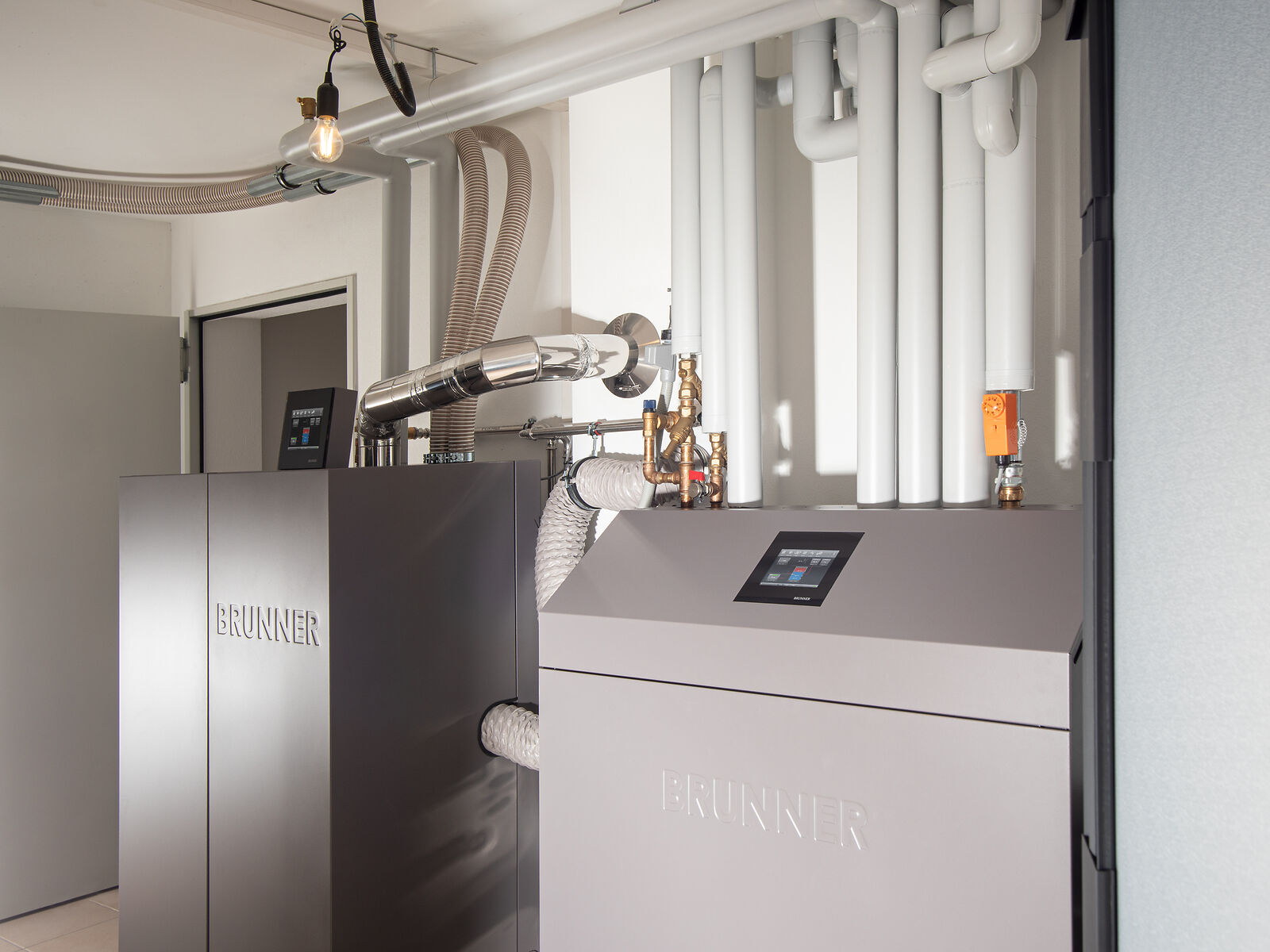
The front panel of the BRUNNER heating center is made of powder-coated steel sheet. The upper section can be folded open and locks securely in the open position. The front element below can be removed from the front, providing easy and quick access to all components of the hydraulic box. The rear and side panels are also made of steel sheet and are directly bolted to the frame.
- 2. The hydraulic box
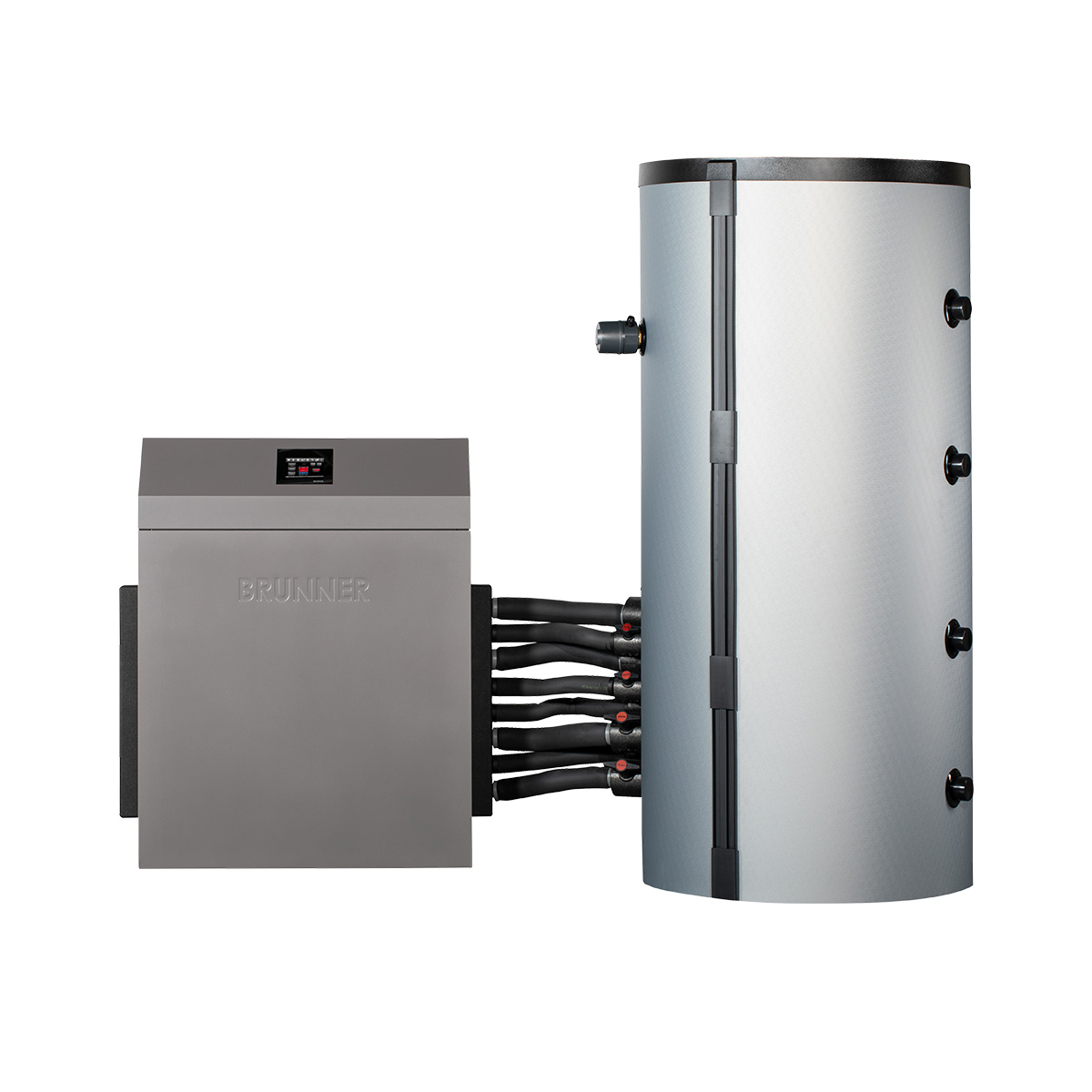
At BRUNNER, the term “hydraulic box” refers to the coordinated, compact base installation of all technical components required for a buffer storage–based heating system. In other words, it’s the perfect interaction between generating, storing, and distributing heat. Neatly packaged in the smallest possible space, the hydraulic box measures only 108 x 40 cm – yet behind its casing, all connections for heat sources, heating circuits, and domestic hot water systems are efficiently and clearly arranged. The hydraulic manifold works like a power strip for heat connections.
- 3. Die Energiesparpumpen
In the BRUNNER heating center, energy-saving pumps (Wilo brand) are used throughout, in accordance with the ErP Directive for resource conservation. These models are speed-controlled and highly efficient. In the solid-fuel boiler and domestic hot water circuit, the pumps are directly controlled via PWM signal according to demand, while in the solar circuit, traditional phase-angle control is used.
- 4. The heating circuit extension
For a single-family home, two regulated heating circuits are usually sufficient. With the BRUNNER heating circuit extension, two additional mixed heating circuits can be connected on each side – externally to the heating center. The extension consists of an expansion board, a thermally separated distribution manifold, and the respective “heating circuit” pump group with an integrated high-efficiency pump. The expansion board is connected to the main control board of the BRUNNER heating center via a bus cable.
- 5. The emergency power supply
When the power goes out, combustion in a log boiler continues, but the hot water can no longer be circulated by the buffer loading pump. To prevent excessive pressure inside the boiler, cold water is fed in through the thermal discharge safety valve – resulting in a loss of heat energy. Additionally, a technician is required to manually reset the safety temperature limiter afterward. A power outage becomes a serious safety risk if the house has its own well and the well pump is also affected. In that case, no cold water is supplied, and the boiler can only release steam uncontrollably through a relief valve. The consequences: water damage and significant danger to anyone nearby. The BRUNNER emergency power supply prevents exactly these critical situations.
- 6. Charger inverter switches quickly to battery operation
The special NV 500/1000 charger inverter ensures power supply for a log boiler and its heating system during the combustion phase. This allows the buffer loading pump to continue running normally, so the hot water is safely transported out of the boiler.
From a technical standpoint, the NV 500/1000 is a charger for a 12-volt lead-acid battery, equipped with an integrated voltage converter that transforms 12-volt DC into 230-volt AC. The concept is simple: the boiler or BRUNNER heating center (BHZ) is connected to the NV 500/1000, which in turn is connected to the power grid. During normal operation, the input voltage passes directly and without loss to the output. In the event of a power failure, internal relays react within ten milliseconds and switch to battery operation.
- 7. Controlled burn – up to 24 hours of heating function
Any standard 12-volt car battery with a capacity between 65 Ah and 125 Ah can be connected to the NV 500/1000. The higher the capacity, the longer the operating time in battery mode. One thing is certain: once combustion in the log boiler has started, it continues under full control, and the generated energy is safely transferred from the boiler to the buffer tank.
If the system is combined with a BRUNNER heating center (BHZ), it can maintain heating operation for up to 24 hours, depending on the number of pumps in use. If the battery capacity is nearly depleted before mains power returns, the NV 500/1000 automatically shuts down the boiler through deep-discharge protection. When grid power is restored, the battery recharges, and the system resumes normal power supply.
- 8. System storage
All energy flows are collected, stored, and released as needed here. The BRUNNER system storage tank – also known as the buffer tank – is a stratified storage system optimized for renewable heat sources. The goal of stratified storage is to prevent mixing of the stored water during charging and discharging. Because warm and cold water have different densities, a stable temperature profile is created: hot water, being lighter, rises to the top, while cooler water settles at the bottom.
When all heat generators and consumers are coordinated so that flow rates remain low and the thermal energy is fed only into the corresponding temperature zone of the tank, this thermal stratification is maintained. The use of a separating plate and stratification pipe helps calm even high flow volumes and minimizes mixing effects under demanding operating conditions.
- 9. Heating consumer
Up to two regulated heating circuits, suitable for example for:
- Radiators
- Wall heating
- Underfloor heating
- Other standard heating systems
- Swimming pools
- 10. Hot water consumer
A fresh water module with a plate heat exchanger for 40 l/min, or alternatively, an adjacent hot water storage tank (boiler)
- 11. Power generator – photovoltaics
Electric heating element (9 kW) in the system storage tank and hydraulics for internal storage transfer (only in combination with the fresh water module)
The magic box that cobines everything
A heating system is just as good as its control unit
Using renewable energy and reducing the use of fossil fuels as much as possible – with the BRUNNER heating center (BHZ), your heating system becomes an intelligent, connected energy solution.
The design of the BHZ reflects decades of experience, the insights of our customers and skilled partners and the latest technical developments. The result is a flexible, expandable system that intelligently manages modern heating – a heating concept built for the future.
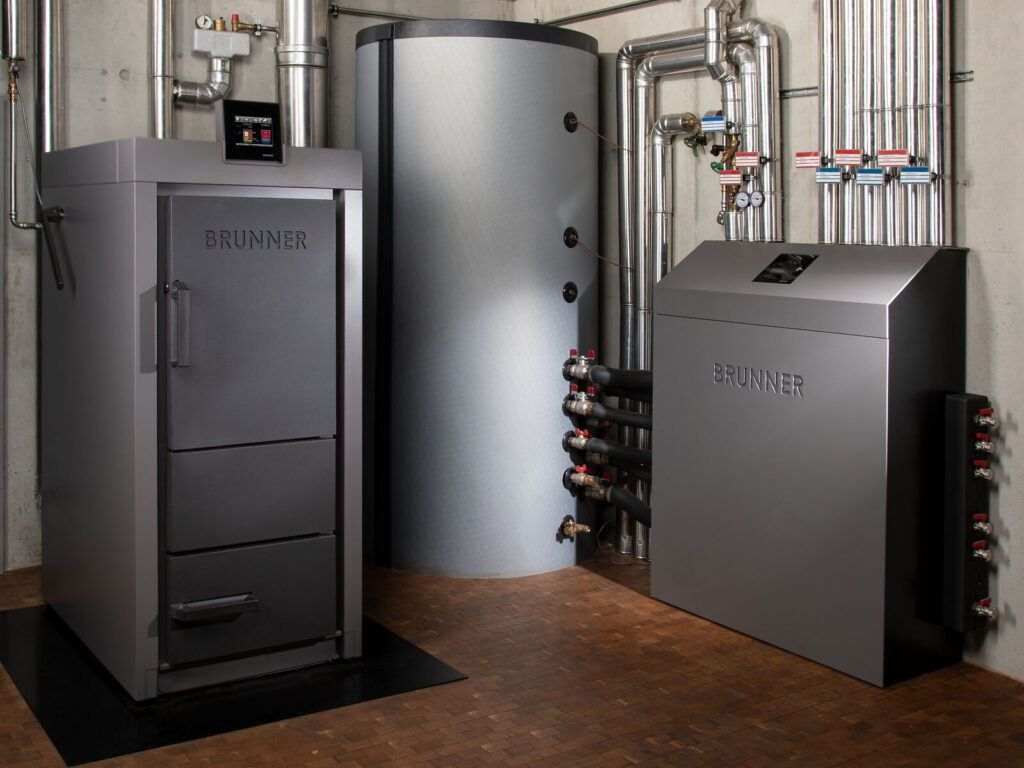
Heating concepts for the future
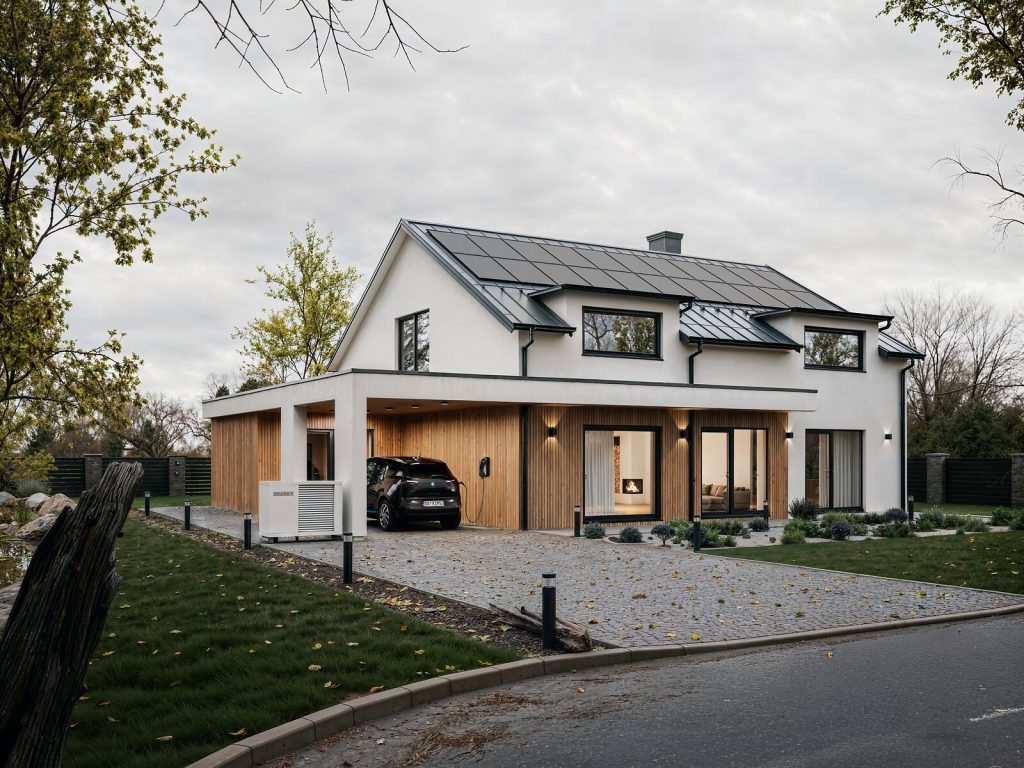
Heating systems for every home and lifestyle
The use of renewable heat sources is not only sensible but also supported by legislation. This opens up a wide range of possible combinations. A heating solution for a new build will differ from one used in a renovation. Your living situation determines how much control and maintenance effort makes sense.
The system storage tank and hydraulic box can be installed directly together or positioned separately in different rooms. Whether simple or complex – every configuration can be realized with a BRUNNER heating center.

Renewable energy always takes priority
When using fossil heat sources, the operator can decide whether they serve as a thermal backup or as the main heating system. The guiding principle remains the same: prioritize renewable energy and minimize the use of fossil fuels wherever possible. If living circumstances change, the choice of heat sources and consumers can be easily adjusted to match.
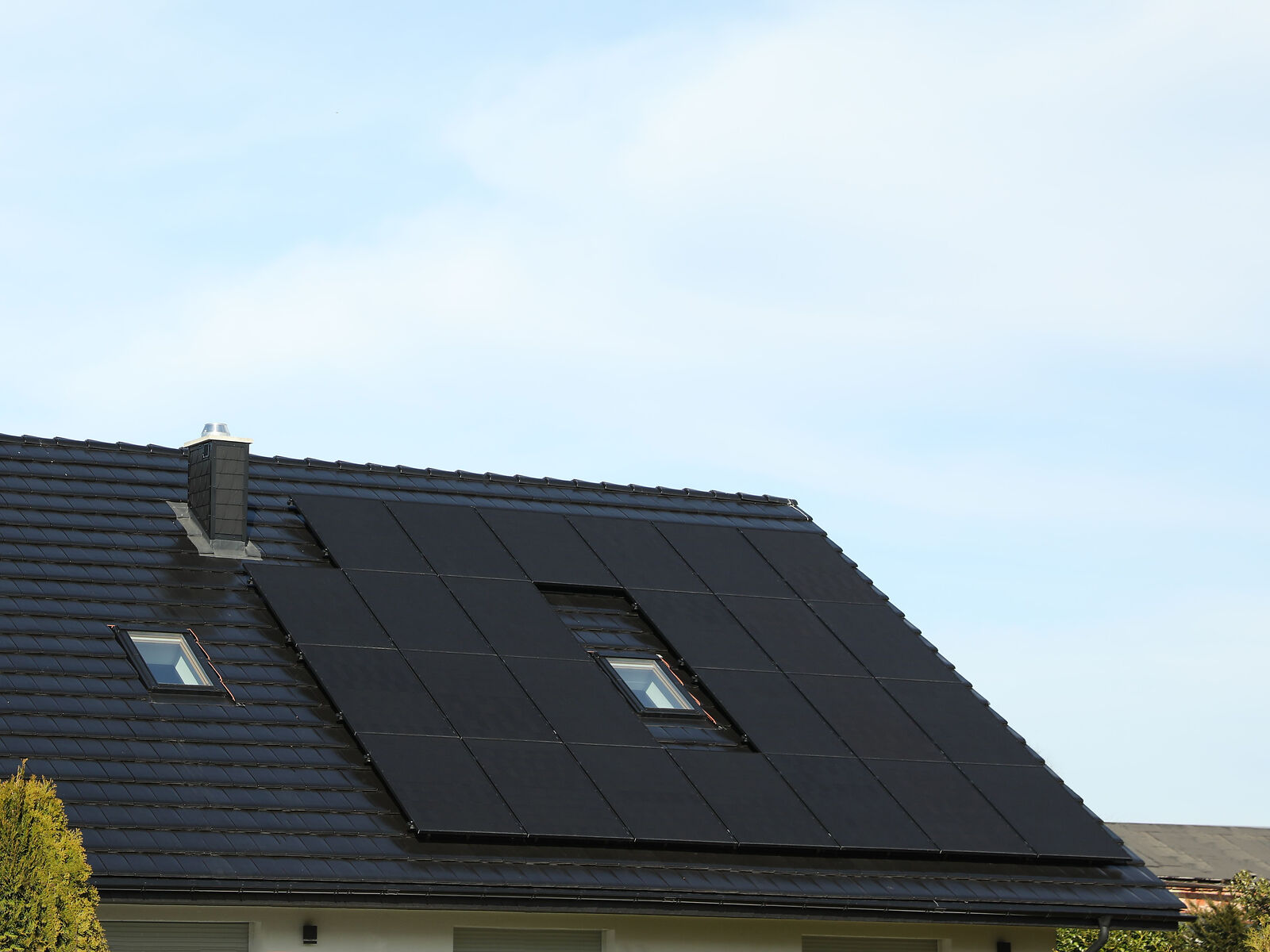
Perfect integration of solar power
The compensation for self-generated solar power continues to decline, while electricity prices for private use keep rising. Homeowners with photovoltaic systems are therefore looking for ways to not only produce household electricity but also use their own power for heating.
With the BRUNNER heating center, surplus solar electricity can be utilized as an additional heat source. BRUNNER has developed a simple plug & play solution for installers. Photovoltaic systems from 3 kWp can be universally integrated into the BRUNNER heating concept without requiring special expertise. All necessary components – including the power meter and controller – are perfectly coordinated.
Turning solar electricity into heat can be that simple. For its innovative approach to efficiently converting surplus solar power into usable heat levels without standby losses or auxiliary energy demand, the BRUNNER heating center has been awarded both the Innovation Prize and the Bavarian State Award from the Ministry of Economic Affairs. In addition, the optimization of heating systems using the BHZ is generously supported by the German Federal Office for Economic Affairs and Export Control (BAFA).
Always fresh water
The plate heat exchanger integrated into the BRUNNER heating center heats water only when needed, bringing it to the desired temperature on demand. This means that only the exact amount of hot water required is produced – no more and no less. Depending on the model, flow rates of up to 40 l/min are possible, allowing multiple bathrooms or wellness areas to draw hot water simultaneously without temperature fluctuations.
- Domestic hot water heating in an adjacent storage tank
When renovating a heating system, existing hot water tanks that are still functional can continue to be used. This is especially practical when several bathrooms are used at the same time, as a larger supply of domestic hot water is then required.
- Domestic hot water heating with a fresh water module
Conventional hot water systems use large storage tanks of 150 to 300 liters, where the water often remains for several days. In contrast, the BRUNNER heating center features a generously sized plate heat exchanger that heats water only when needed to the desired temperature. Flow rates of up to 25 liters per minute can be achieved without temperature fluctuations. This is made possible by a controlled pump that regulates both flow rate and temperature. Only the exact amount of hot water required is heated – no more and no less.
- Domestic hot water heating with scald protection
During summer months, solar thermal systems can heat buffer tanks to 80 °C or more. When hot water is drawn through the plate heat exchanger under these conditions, there is a risk of scalding without a safety device. To prevent this, an adjustable thermal mixing valve (BM) is installed between the cold and hot water circuits. It limits the hot water temperature to around 55 °C.

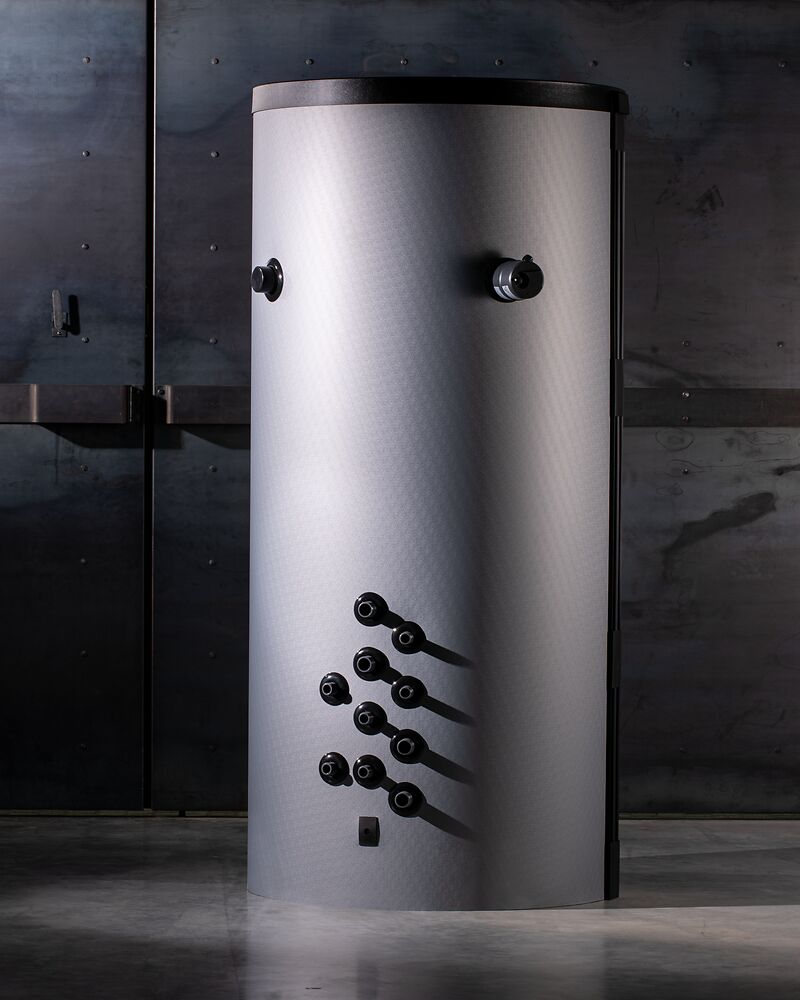
The System storage tank
All heat flows are collected, stored, and released as needed here. This buffer tank is designed as a stratified storage system and optimized for the use of renewable heat sources. The goal of stratified storage is to prevent mixing of the water inside the tank during charging and discharging. Because warm and cold water have different densities, a stable temperature profile forms naturally: hot water, being lighter, rises to the top, while cooler water settles at the bottom.
When all heat sources and consumers are coordinated so that flow rates remain low and the generated heat is introduced only into the appropriate temperature zone, this thermal layering remains stable. The use of a separating plate and stratification pipe calms high flow volumes and minimizes mixing effects even under demanding conditions.
The right size makes all the difference. Buffer tanks are available with capacities from 750 to 4,000 liters. The larger versions from 3,000 liters are used when particularly high amounts of heat need to be generated and stored, typically in combination with a log gasification boiler.
- Standard storage tank
The storage capacity can be easily doubled by adding an adjacent standard tank. The BRUNNER standard storage tank serves as an expansion tank and is connected to the BRUNNER system storage tank via the four 5/4″ connections. In practice, parallel charging and discharging has proven effective. The system is designed to be combined with an expansion tank of equal capacity.
An increased buffer volume is recommended for large solar thermal systems, biomass boilers with an output above 25 kW, or heat pumps with more than 15 kW. In the BHZ 3.0, the expansion and main storage tanks are connected hydraulically through the four 5/4″ ports.
- Solar coil and hot water storage tank
The standard storage tank is equipped with an internal coil heat exchanger for connection to a solar thermal system.
The hot water storage tank includes an internal coil heat exchanger for solar thermal connection, plus an additional coil in the upper section of the tank for domestic hot water heating.
Heating solutions With the heating center
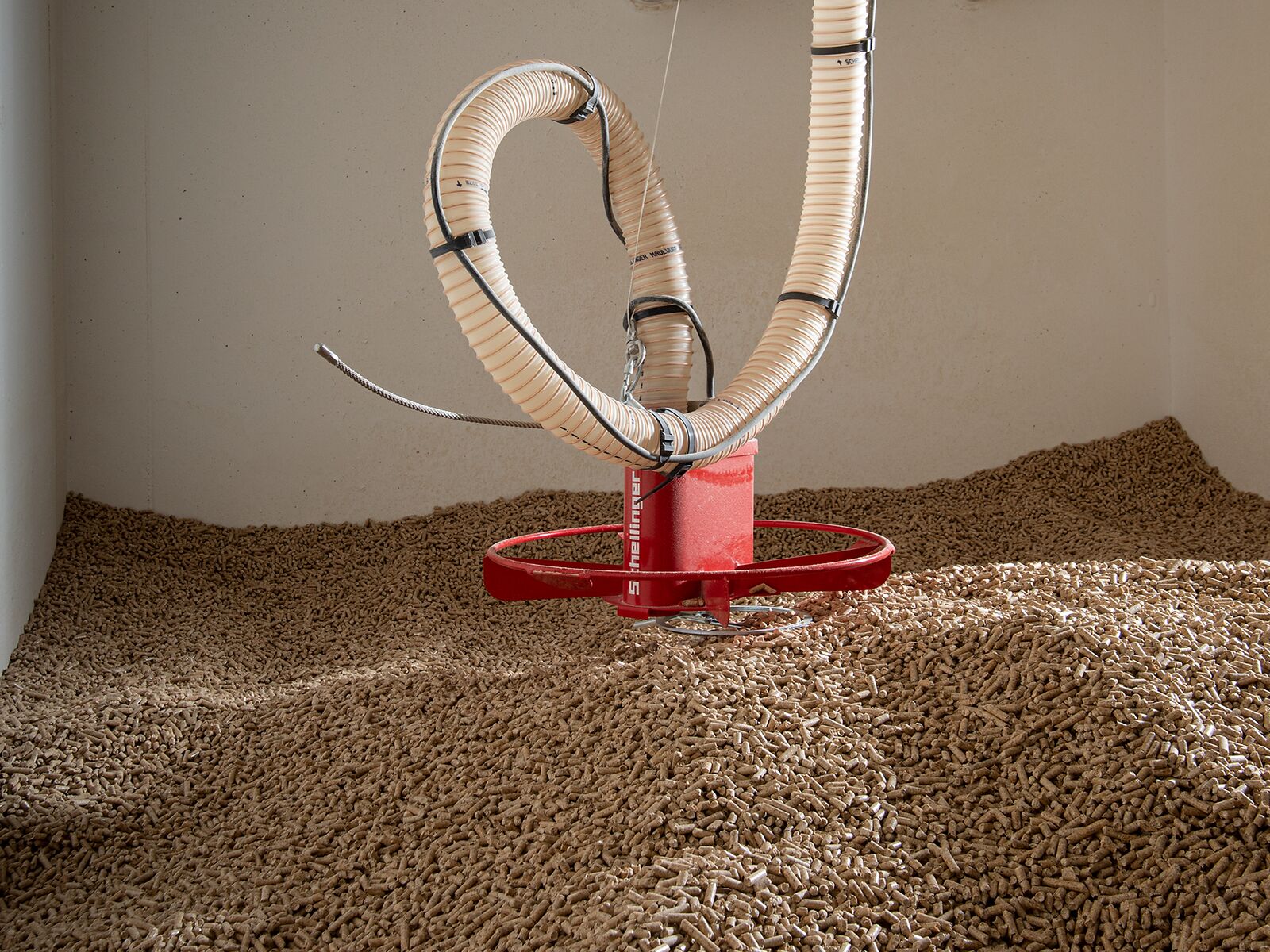
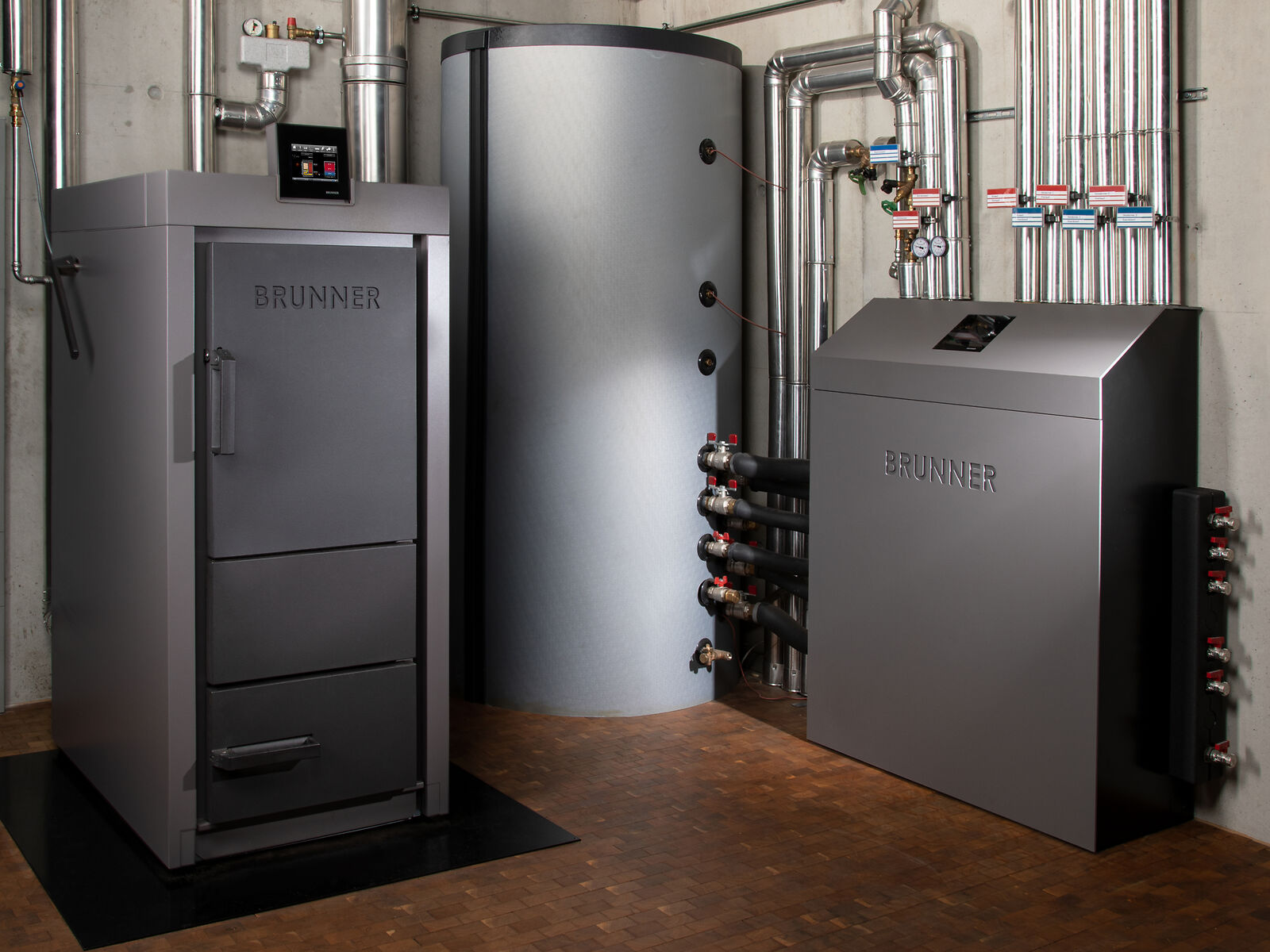
Concept 1: Heating with pellets – the fully automatic wood heating system
Pellet boilers eliminate the manual work of handling firewood and provide independence from the price fluctuations of oil, gas, and electricity. A pellet heating system can, of course, also be operated during the summer months. In practice, the combination with a solar system has proven highly effective. The solar setup does not need to be large, as the main focus is on domestic hot water production. The concept of the BRUNNER heating center supports both solar thermal and photovoltaic systems.

Concept 2: Heating with firewood – for high heat demand
Firewood is the most commonly used wood fuel and the oldest form of wood heating. Depending on the size and output of the log wood boiler, a burn cycle is started every two to three days during the heating season. In combination with a solar system, the boiler does not need to be fired during the summer months for domestic hot water production.
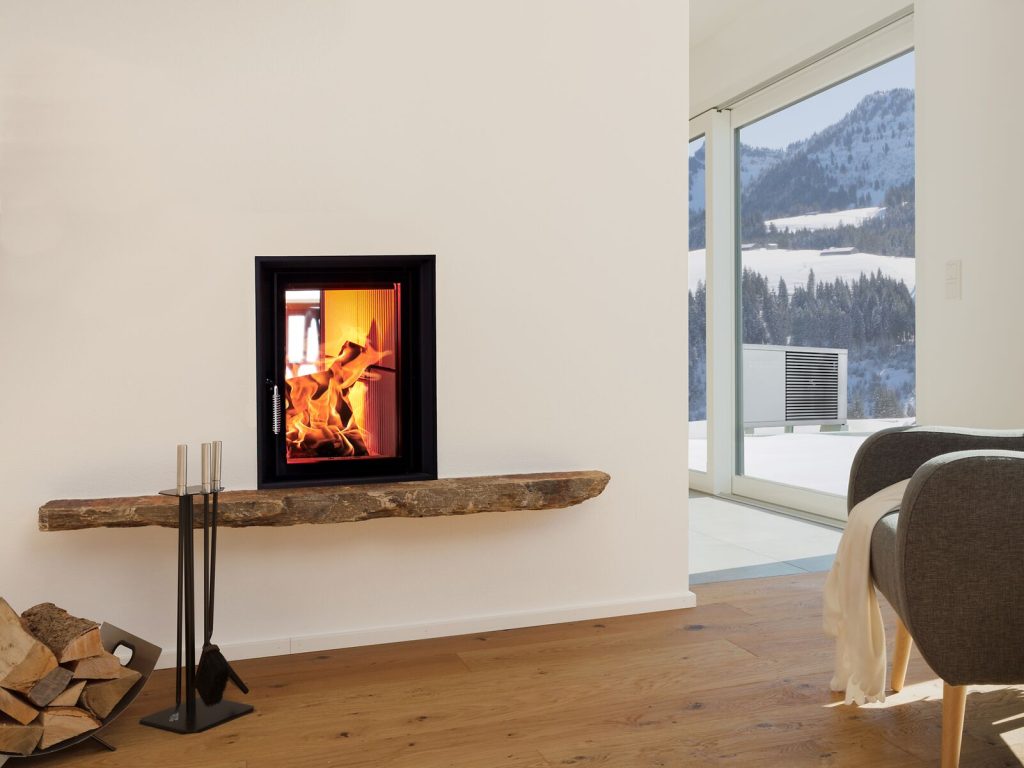
Concept 3: Heat pump stove heating – supporting the heat pump
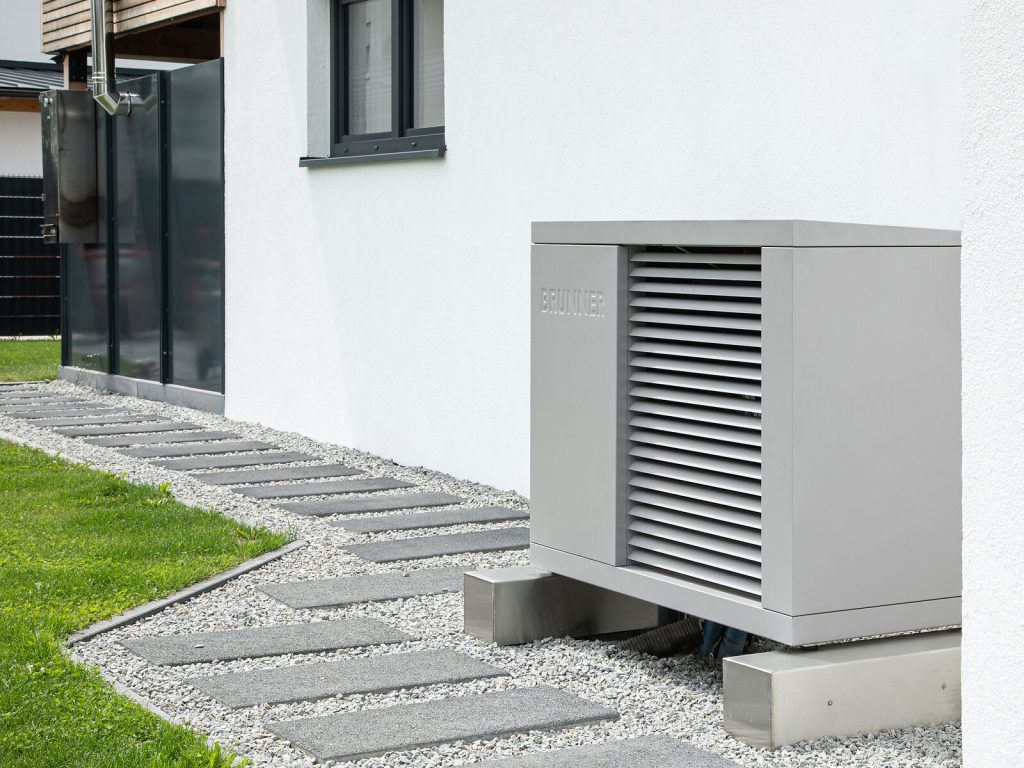
In new buildings, heat pumps have become standard. Air-to-water heat pumps hold the largest market share due to their easy installation. Their principle is simple: they extract heat from the outside air and transfer it to the heating system. With today’s technology, a single kilowatt of operating power can produce up to five times that amount in heating output.
The foundation of a system solution
External heat pumps can be hydraulically integrated into the system storage tank of the BRUNNER heating center. This works, but it’s not ideal. A well-designed heat pump heating system requires a concept where all components are not only hydraulically but also electronically coordinated. This is essential to ensure that, in a single-family home, all heat sources and consumers operate together as one unified system.
The system storage tank and hydraulic box of the BRUNNER heating center are specifically designed to meet the requirements of the BRUNNER heat pump, all managed by a central control unit with shared software. Only in this configuration can the heating system and additional heat sources be combined into a complete, turnkey heating solution.
Individual fireplaces and stoves with water-bearing fireboxes are designed and installed by professional stove builders.
The BRUNNER heat pump goes further. It doesn’t just supply heat but interacts intelligently with other heat sources. When a water-bearing fireplace is lit, the BRUNNER heat pump waits to see whether the expected heat output will be sufficient. When the photovoltaic system produces excess electricity, the control system decides whether to multiply that energy by running the heat pump or to use it directly to power the electric heating element in the system storage tank. And when heat is needed, the system determines the required temperature level – always just as much as necessary.