1. Reliable supply – renewable warmth
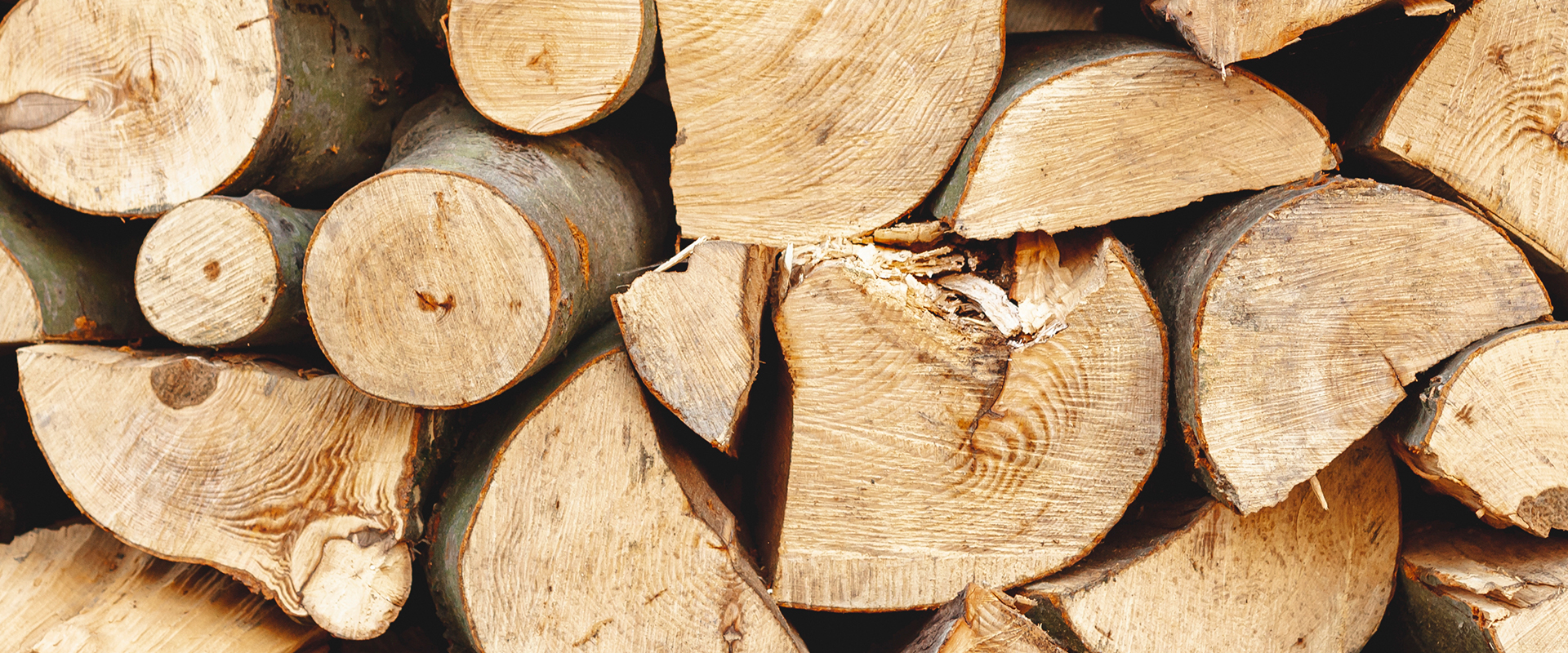
Germany has around 11.4 million hectares of forest, which accounts for about 32 percent of the country’s total area and roughly 3.7 billion cubic meters of timber reserves. The great thing is: wood is a continuously renewable resource. It’s no coincidence that the term “sustainability” originates from forestry. It was coined by Hans Carl von Carlowitz, who, more than 300 years ago, rightly emphasized that for long-term forest management, only as much wood should be harvested as can grow back. According to the German Forest Owners Association, the growth of German forests even exceeds the amount harvested.

2. Local fuel – right at your doorstep
One unbeatable advantage of wood is its short transport routes. It doesn’t need to travel thousands of kilometers. As a result, the environmental impact from extraction, transport, and processing is minimal. Firewood is available everywhere regionally and supplied by local timber merchants and forest owners.
3. Environment and climate – everything in balance
Plants and trees constantly convert the energy of sunlight into biomass. This process is called photosynthesis. In doing so, the plant takes CO2 from the atmosphere, uses the carbon (C) for growth, and releases oxygen (O2) back into the air. Wood is, therefore, stored solar energy that can be used at any time.
When burned, wood has a major advantage over fossil fuels like oil: it releases only as much CO2 as the tree absorbed during its growth. Heating with wood is therefore climate-neutral. Those who heat with wood make an important contribution to protecting the climate.
Expert advice
The balance only works if the combustion process runs optimally and cleanly. Pay attention to the quality of the fuel you use. Certified pellets are ideal. Firewood and wood chips should be untreated, properly stored, and dry. For efficient combustion and maximum heat output, the BRUNNER electronic stove control system (EOS) ensures perfect operation.

4. Stable costs – wood pays off
Unlike oil prices, which can fluctuate daily, the price of wood is much more affordable, stable, and predictable.
Firewood and logs for stoves and fireplaces are cheapest when self-harvested or collected. Local forestry offices can provide information and designate specific areas where an agreed amount of wood can be gathered. A cubic meter of wood typically costs between 25 and 30 euros.
However, freshly cut wood needs to be stored and dried before it can be used. To cut your own firewood, you need a so-called “firewood license”. In most cases, private individuals rarely receive felling permission. As a general rule: the more processed the wood, the higher the price. This explains the cost differences between wood chips, logs, and pellet

5. Atmosphere – cozy and inviting
When the last oil boiler shuts down, there will still be the wood fire. And that feels so good! Maybe it’s somehow written in our DNA: wherever there’s a fire, we are drawn to it. Fire means safety and, above all, warmth. Today, warmth has become something we take for granted — hardly anyone has to freeze anymore. Our ancestors, hundreds or even thousands of years ago, weren’t as lucky. And yet, fire has never lost its magic or its importance. It has always been one of humanity’s most faithful companions.
Atmosphere is one of the main reasons people choose to have a stove or fireplace.
Here you’ll find a guide to the different types of wood-burning stoves.

Conclusion
The advantages of wood as a fuel are undeniable. It’s a sustainable, local energy source that also offers stable pricing. What more could you ask for?
Expert advice
Heating with wood is climate-neutral. Those who heat with wood make an important contribution to climate protection. However, always make sure to use high-quality wood. It should be untreated, properly stored, and dry. The electronic stove control system EOS can help you achieve optimal heat utilization and efficient combustion.