Improving efficiency
Over time, soot deposits can build up inside the system, which negatively affects both wood consumption and efficiency. Soot acts as an insulator and can reduce heat output. That’s why it’s recommended to have the heat storage surfaces – for example, in water-bearing systems – regularly cleaned by a professional stove builder. This restores efficiency and lowers wood consumption.

Ensuring safety
Soot deposits can also build up in other parts of the system, such as the flue, and cause problems. These deposits can block the exhaust path, allowing gases to escape into the living space. They can also affect the draft, making the stove harder to light. That’s why it’s recommended to have the air and flue passages cleaned by a professional stove builder before each heating season.
During maintenance, other components are also checked. Wear parts such as the door and glass seals are inspected and replaced if necessary to ensure safe and smooth operation. Openings and air vents are also cleaned to prevent dust and debris from entering the living area.
To ensure sufficient air supply for combustion, the external air connection is also cleared of leaves, cobwebs and other debris. The firebox is cleaned of ash and buildup, and if an electronic stove control (EOS) is installed, its electronic components are checked as well.
Comprehensive service
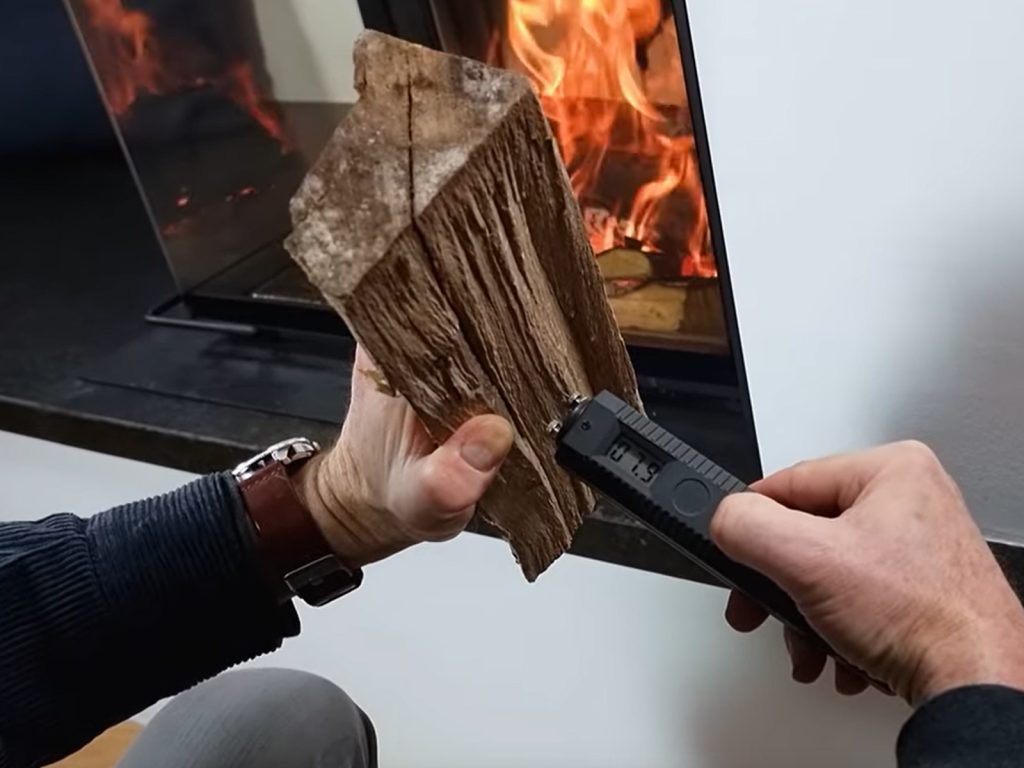
In addition to the points mentioned above, many other parts of the system are inspected to ensure a long stove life with consistent efficiency. The stove builder also checks the quality of the firewood, especially its moisture level – helping to optimize combustion and save wood.
Conclusion
During a stove inspection, components are cleaned and checked. Wear parts in particular are inspected and replaced if necessary to ensure the stove operates flawlessly.
Expert advice
A professional stove inspection should be carried out every 1–2 years. This helps extend the lifespan of the appliance and ensures lasting enjoyment of the fire.