What exactly are wood pellets?
Wood pellets are compressed, untreated waste wood that is pressed into small cylindrical pellets under high pressure. These small wooden pellets are produced wherever wood chips, shavings and sawdust are generated. Most production, however, takes place in specialized pellet plants. Once manufactured, they are sold either in bulk or in bags.
Advantages and disadvantages of heating with wood pellets
The most important factor is, of course, the environmental aspect. Wood pellets are CO2-neutral: the residual wood from which the pellets are made absorbed solar energy and CO2 during its growth. Both are released again during combustion. This means the pellets emit exactly what the tree would have released in its natural decomposition process. The absorption and release of CO2 are therefore balanced.
Another remarkable advantage is their efficiency of around 95 percent and the low energy consumption required for their production. They also offer greater independence from fossil fuels such as oil and gas.
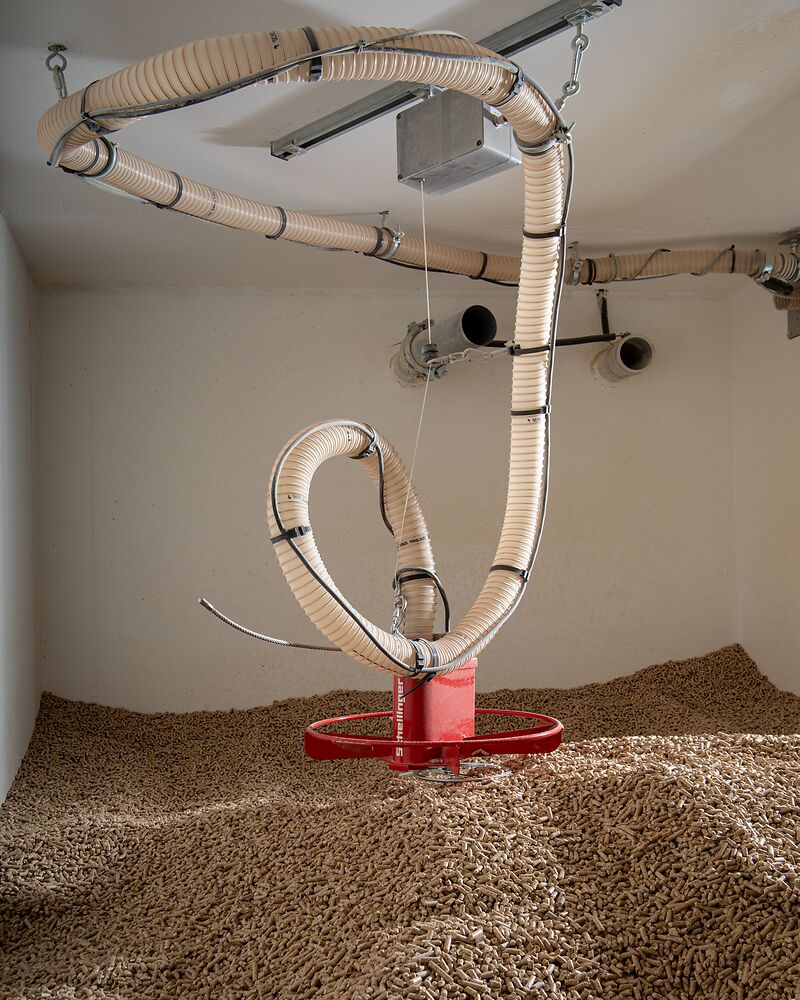
A disadvantage is the space required for pellet storage. A dry storage room must be available to hold the pellet supply. In addition, the investment costs for a pellet heating system are higher compared to systems that use fossil fuels. However, in the long term, these costs are offset by the low price of pellets.
And what about the heating value?
The heating value of pellets is comparable to that of firewood: wood pellets have a heating value of around 4.8 kWh per kilogram, while firewood has about 4.0 kWh. Two kilograms of wood pellets provide the same heating value as one liter of heating oil, making them significantly more cost-effective at the same performance level.
Conclusion
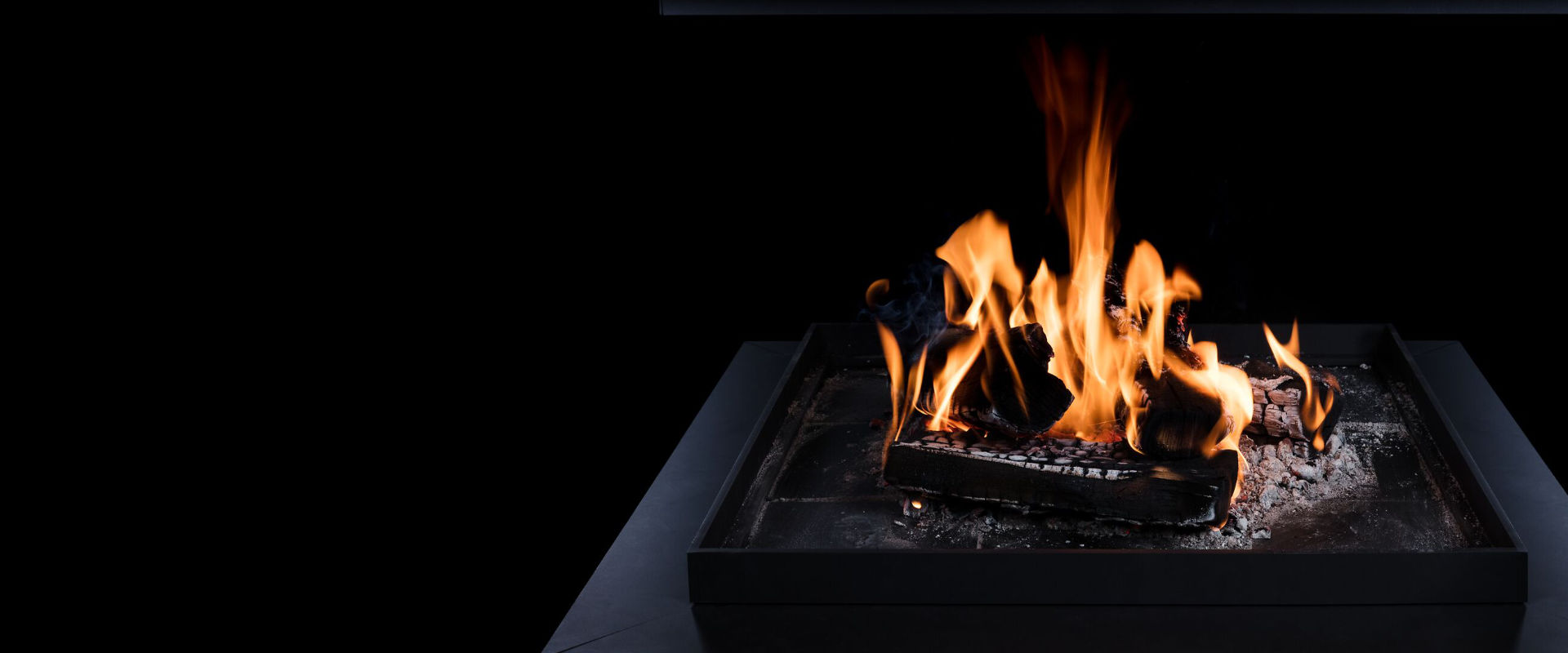
Pellets are gentle on both your wallet and the environment in the long run, so the advantages clearly outweigh the drawbacks. The only thing they can hardly compete with is the atmosphere of a beautifully crackling wood fire.
Expert advice
When buying wood pellets, make sure to choose good quality. Poor-quality pellets often produce more pellet dust, which can affect both cleaning and heating performance.