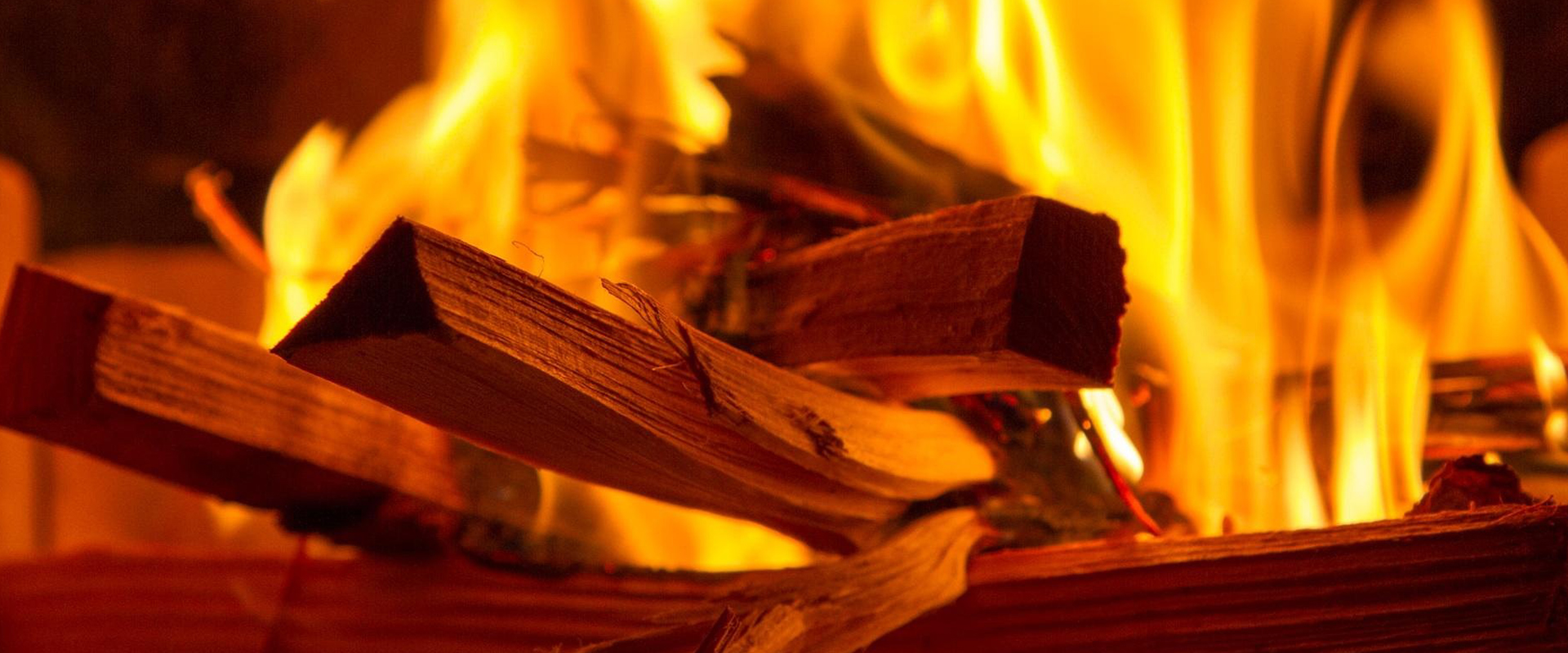
That very moment when a house became a home. It makes you wonder where this fascination comes from – a fascination that remains unbroken even in our modern, digital, and fast-paced world.
What exactly is it that we love so much about a wood fire?
To answer that question, we need to look far back into human history.
Most scientists believe that the ability to make use of our surroundings was a fundamental factor in humanity’s success. With the use of tools, weapons, and clothing, humans quickly gained an advantage over their natural environment.
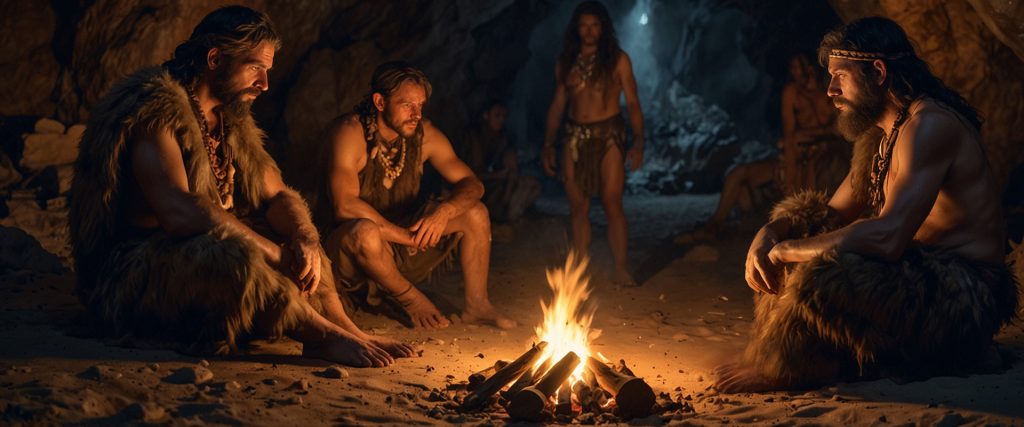
Alongside the use of objects, fire began to play a vital role. Researchers have proven that early humans, such as Homo erectus, had already learned to make fire – more than a million years ago. Studies also show that even back then, people used fire to cook or heat their food.
As simple as it may sound, the taming of fire was a milestone in human history. Cooking meat made it easier to digest and helped humans survive in times when food was scarce. Cooked meat also kept longer and carried fewer parasites and diseases. This higher-quality food supply, particularly animal protein, was essential for the development of complex body parts such as the human brain.
In addition, wood fire offered the most effective protection against predators and the cold. Settling in the cooler regions of Eurasia would have been impossible without it.
The wood fire in the present
We should not forget that humans are social beings with complex psychological needs. Communication, sharing meals, and mutual protection are the foundation of a healthy community. Gathering around a warm, protective fire has always strengthened this sense of togetherness.
If we look at our modern fascination with wood fires, we can still recognize many of these ancient aspects today. We still enjoy spending time with family in front of a cozy tiled stove. We still cook food on the grill or over an open fire – not out of necessity, but for pleasure and pure joy. And we still feel safe and comforted in the glow of a crackling fireplace.
Over time, fire has expanded its meaning into areas of life that only emerged in the modern age. Take, for example, the idea of slowing down everyday life. When the pressures of daily routine rush us from one meeting to the next, the fireplace at home becomes a welcome retreat.
Awareness of ecology and environmental protection is another aspect that has become increasingly important in times of climate change. Unlike oil, gas, and other fossil energy sources, wood as a CO2-neutral fuel has a natural, almost romantic appeal. The forest becomes an alternative to the oil platform. Local wood suppliers stand in contrast to thousands of kilometers of gas pipelines.

Without fire, we probably wouldn’t be who we are today. It’s proof that fire has always been our most loyal companion.
Conclusion
Wood fire has always played an important role in our lives. Not only to ensure survival, but also to create a sense of comfort. It has evolved alongside us, and today it allows us to heat our homes in an ecological and environmentally conscious way.
Expert advice
Heating with wood is sustainable and environmentally friendly. That’s why it’s important to maintain and service our stoves regularly. Replacing old heating inserts is also an important step toward protecting the environment.