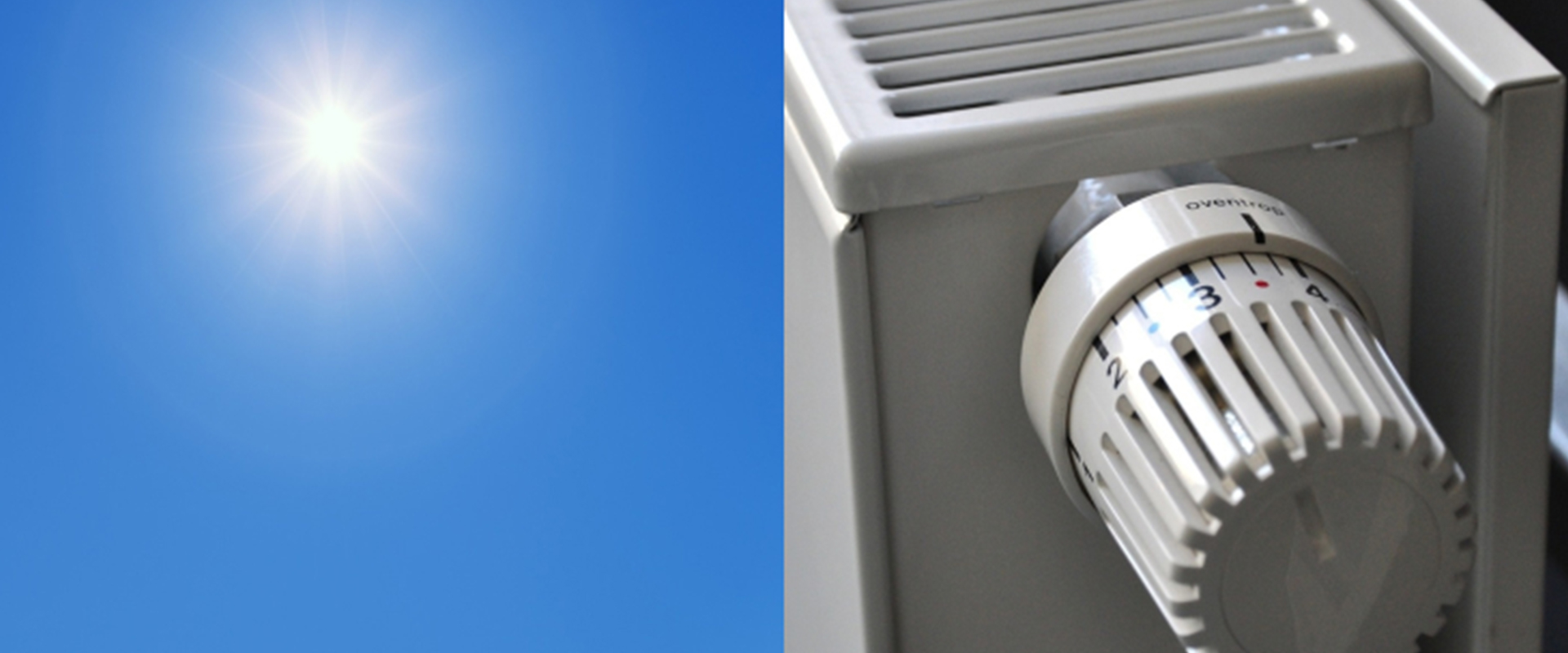
In principle, there are two different types of heat transfer:
Convection heat
When energy is transferred from one place to another, it is called convection heat. In this process, air absorbs heat and carries it to another location through convection (from the Latin *convehere*: to carry along, to transport). The energy carrier is therefore air, and the principle is simple: air heats air through convection.
Radiant heat
Radiant heat is infrared radiation. When this infrared radiation hits objects, it warms them. These objects then radiate the heat back into the room, creating a pleasant field of radiant warmth.
In a warm air stove, convection heat dominates
A warm air stove primarily emits convection heat. When equipped with an intake and outlet air grille, its efficiency increases because cool air is drawn in at the bottom, passes by the heated surfaces, and flows back into the room through the upper outlet grille. This process quickly warms the air, allowing heat to spread rapidly throughout the room. However, the warmth does not last as long as the radiant heat from a heated storage stove. In addition, air movement in the room stirs up dust, which can be unpleasant, especially for allergy sufferers.
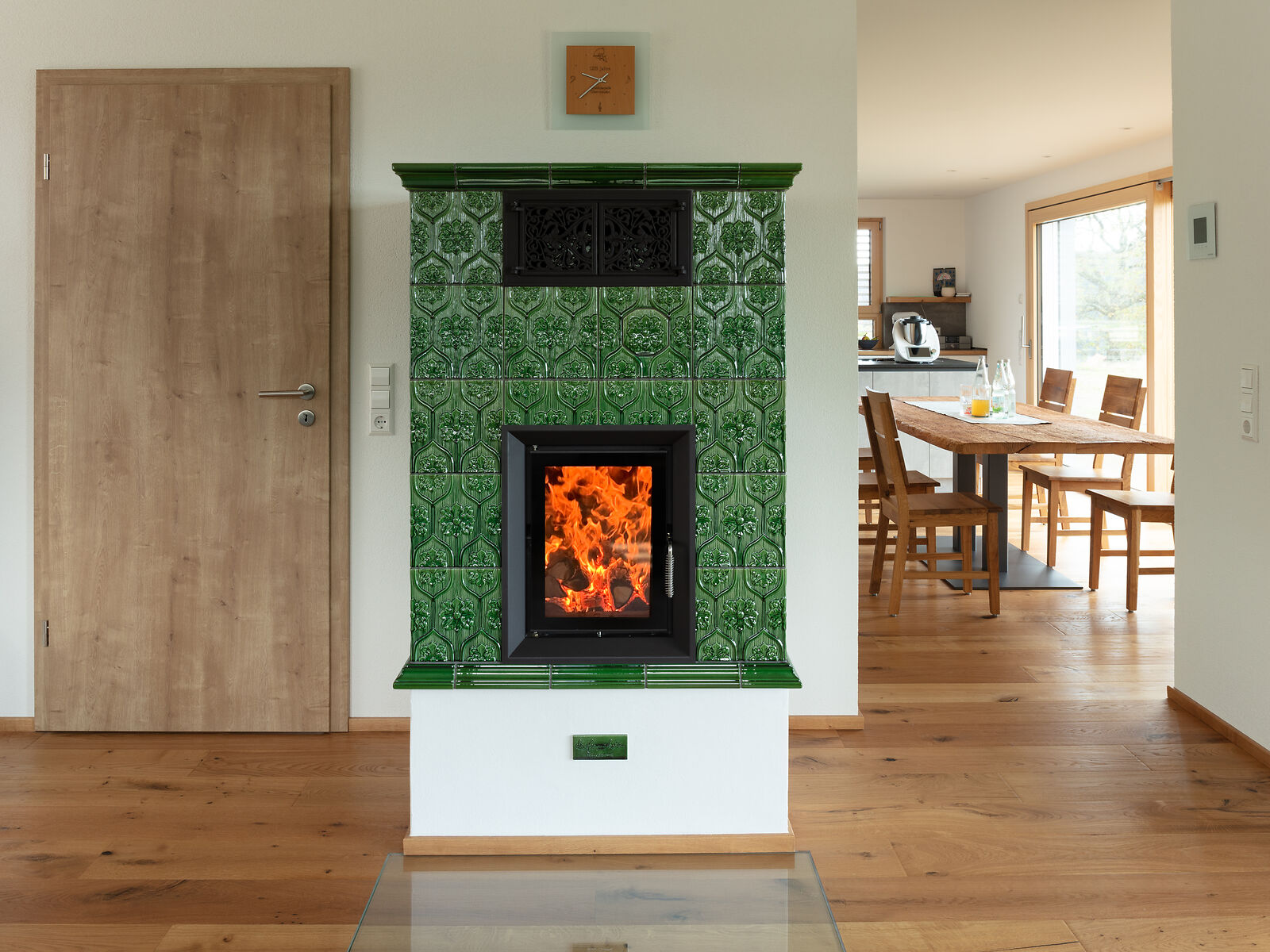
Storage stoves provide a lot of radiant heat
Traditional basic and tiled stoves with thermal mass produce only a small amount of convection heat but a large amount of pleasant radiant heat. The room heats evenly, and no cold zones form near the floor.
Because the heat is transferred directly to the entire room and radiates toward people, it feels more intense. This helps save heating costs, as the room temperature can be set lower. A storage stove takes longer to heat up, but it stays warm for much longer.
Conclusion
In storage stoves, radiant heat plays the main role, creating a much more pleasant and healthier indoor climate than convection heat. It comes very close to the natural warmth of the sun. The air in the room – and therefore dust – moves very little. Humidity remains balanced, and energy can be saved because radiant heat provides a stronger sense of warmth. The only drawback is that it takes longer to heat up. However, the heat lasts longer, and since the storage stove is fired daily, it doesn’t cool down.
Expert advice
Which type of heat you prefer is a personal choice. If you want to warm up quickly, a warm air stove is the right option. But if you can give a storage stove time to heat up and prefer longer-lasting warmth, the latter is the better choice.