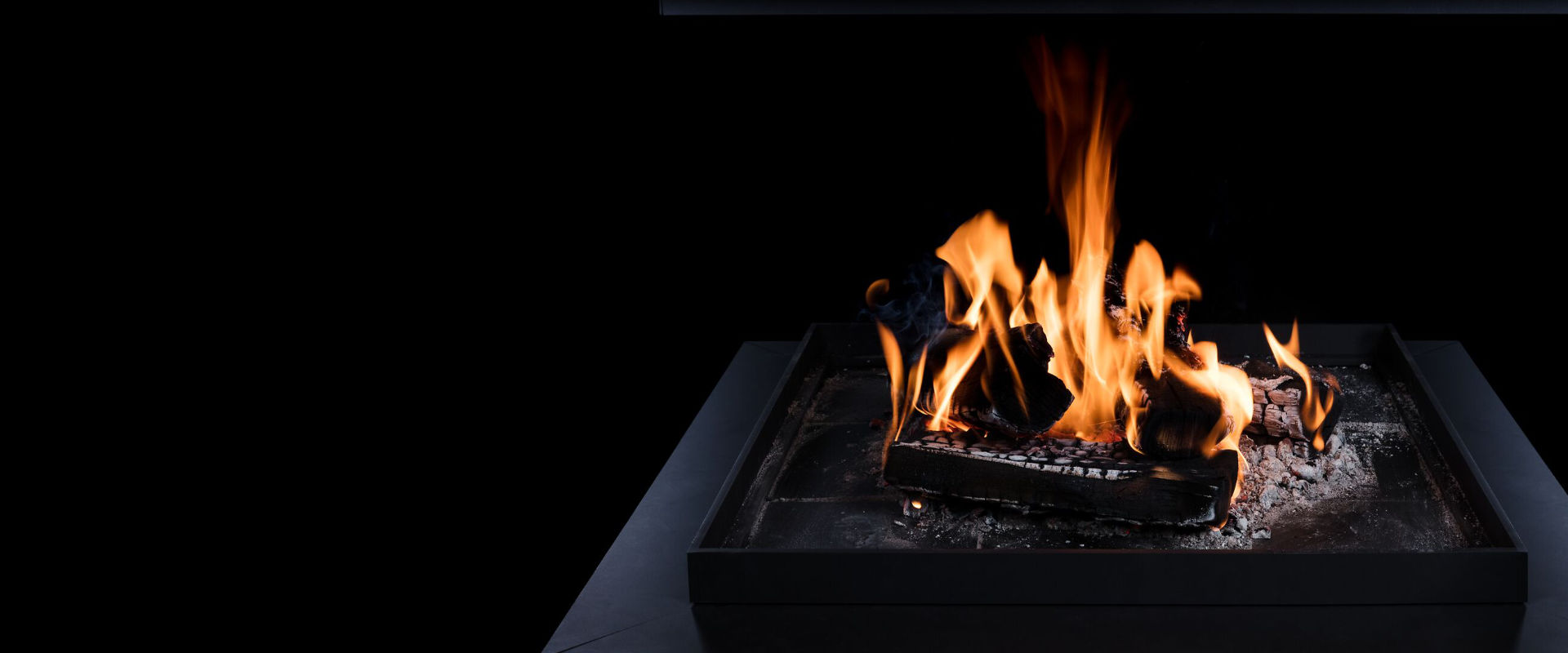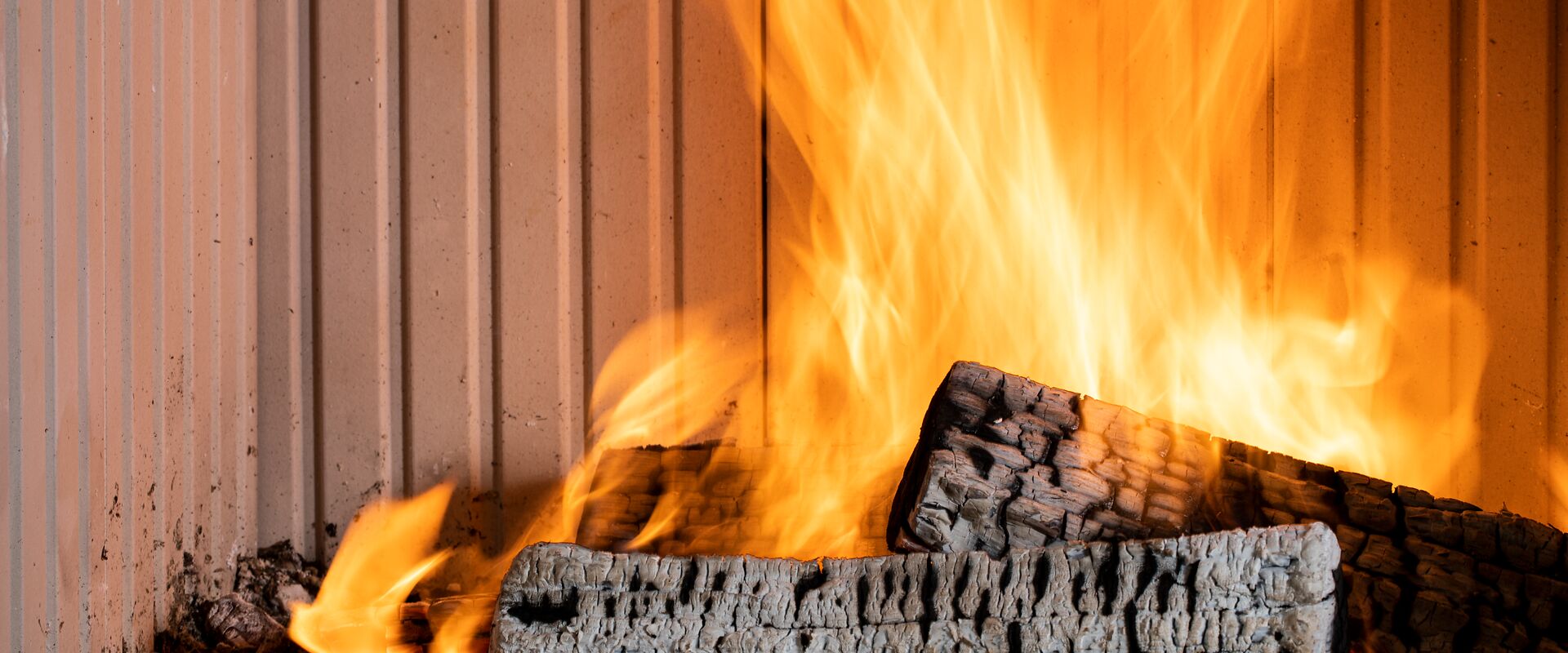
How wonderful it is to have a heated stove – not only in winter. When the flames dance and a pleasant warmth fills your home. Inside the combustion chamber, however, temperatures can reach up to around 1,200 degrees Celsius during operation. A fireclay lining protects the combustion chamber and the stove body from heat damage.
At the same time, it stores heat for several hours, so the room temperature doesn’t drop immediately after the fire goes out. In fully ceramic stoves, both the combustion chamber and the heat-retaining mass that the flue gases flow through are made of fireclay.
What is fireclay?
Fireclay is made from clay and aluminum oxides – it is a natural stone material. The mixing ratio determines its heat resistance. Fireclay consists of natural raw materials that are combined in suitable proportions depending on the application.
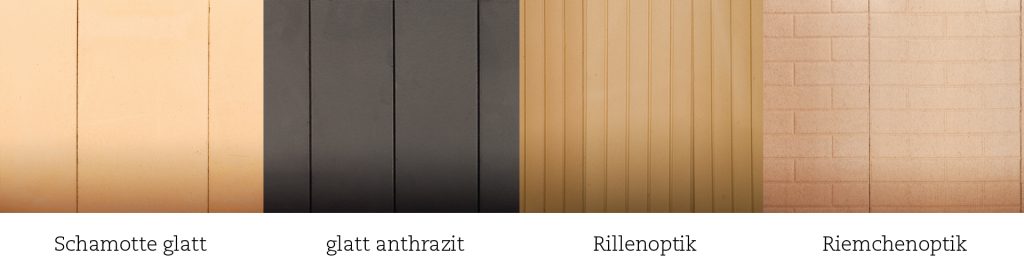
Fireclay bricks are naturally cream-colored, but they are also available in black, which is currently very popular.
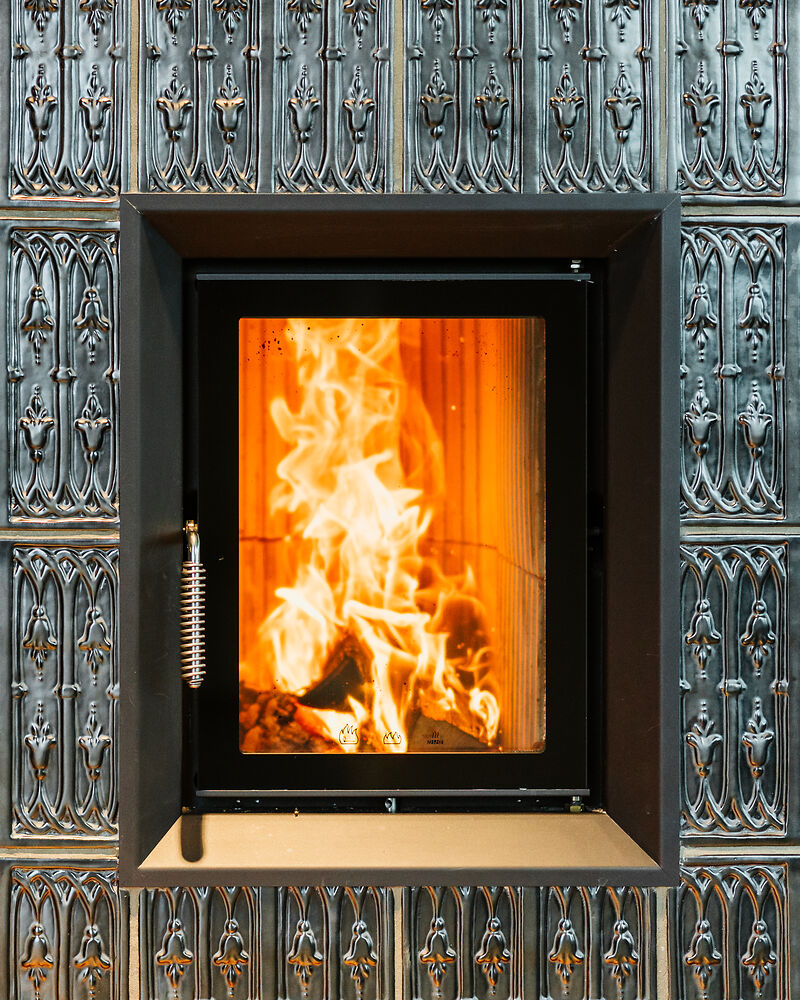
Depending on the form in which fireclay is processed (as extruded fireclay or as casting material), it exhibits different properties. Extruded fireclay is the robust standard version that can withstand high temperature loads. Casting material, on the other hand, offers precise shaping and a more refined appearance but is better suited for lower temperature ranges.
BRUNNER heating inserts, for example, are equipped with the following types of fireclay:
What to do when cracks appear?
Fireclay bricks are wear parts and typically last between 10 and 15 years, depending on how often the fireplace is used. Small cracks are not a concern and are quite normal with regular use. They are merely a visual flaw and do not affect the function of the fireplace. However, if the material starts to crumble, flake, dissolve, or detach from the panel, the fireclay must be replaced.
Because fireclay bricks are generally quite brittle and sensitive, firewood should always be placed carefully into the combustion chamber rather than thrown in, and it should not come into contact with the inner walls of the fireplace. Impacts and knocks can easily cause cracks, leading to mechanical damage.
Conclusion
Fireclay is a natural material. Thanks to its high heat resistance and excellent heat storage capacity, it is perfectly suited as an insulating material in the combustion chamber of a fireplace. It protects the stove and continues to release heat into the room even after the embers have gone out. Fireclay is made entirely from natural raw materials, making it a regional and cost-effective product. With careful use, it only needs to be replaced after about 15 years.
Expert advice
Place the wood gently into the combustion chamber. Impacts or contact with the fireclay can cause damage. To enjoy your fireclay lining for many years, it’s worth being careful when adding more wood.