CO2-neutral means that using a fuel – or doing something like travelling or driving – has no impact on the amount of carbon dioxide in the atmosphere and therefore does not harm the climate.
That’s why people often talk about climate neutrality. However, being CO2-neutral doesn’t mean that a fuel contains no carbon and releases no CO2 when it burns. Wood, for example, definitely does contain carbon dioxide.

CO2 stays in balance
Through a biochemical process, trees and plants constantly convert the energy of sunlight into biomass. This process, called photosynthesis, draws CO2 directly from the atmosphere. The plant uses the carbon (C) to grow and releases the oxygen (O2) back into the air. In this way, wood is nothing more than stored solar energy.

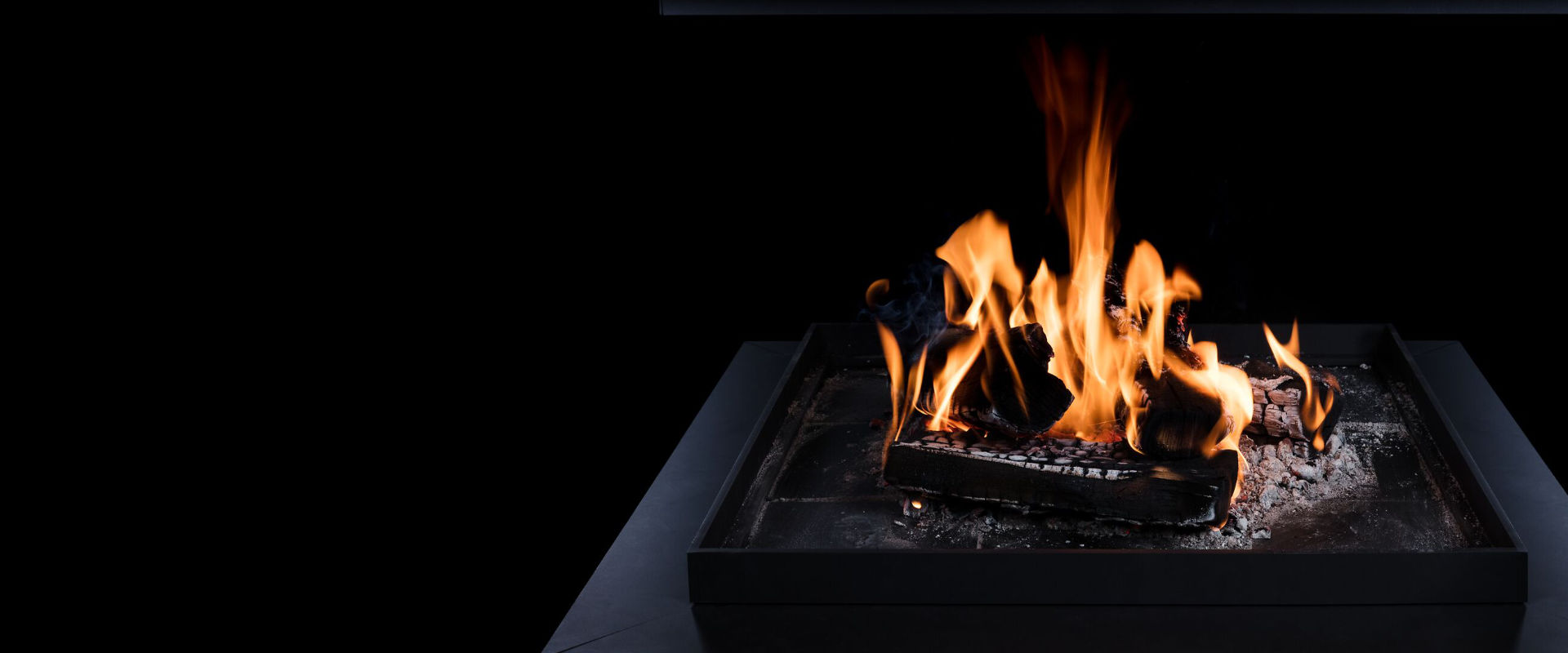
When wood is burned, CO2 is released – but unlike fossil fuels, only as much as the tree once absorbed from the atmosphere.
The environment takes back the tree’s natural components, creating a closed cycle. The same CO2 would have been released if the tree had decayed naturally, but in that case, the stored energy would have gone unused.
Another advantage is that wood is a renewable resource. According to the German Forest Owners Association, growth in local forests actually exceeds consumption.
However, CO2-neutral heating with wood requires proper heating – meaning the right system, correct operation and the right fuel.
Fossil fuels interrupt the natural cycle
In contrast, oil, coal and natural gas were formed through chemical processes. They come from biomass that couldn’t decompose because it was trapped without air. These fossil fuels store CO2 in the ground over long periods of time.

When these fuels are burned, the natural cycle is disrupted and additional carbon is released into the air. It combines with oxygen during combustion, accumulates in the atmosphere as carbon dioxide and is largely responsible for global climate change.
More than 80 percent of greenhouse gas emissions in Germany come from burning fossil fuels, most of them in the form of carbon dioxide (source: German Environment Agency). In addition, fossil resources such as coal, oil and gas will eventually run out.
Environmentally friendly hot water generation
In addition to the familiar, cozy warmth of a fireplace or stove in the living area, water-bearing appliances can transfer part of the heat from the wood fire into the heating system.
Especially during the transitional seasons, water-bearing systems are a real benefit for heat supply. With just one or two burns a day, both hot water and heating can be supported without the main heating system having to switch on. Hot water is not only expensive – it’s also one of the biggest sources of energy use and CO2 emissions in private households, right after heating and cars.

Conclusion
Anyone who chooses climate-neutral heating with the renewable resource wood helps keep the natural CO2 cycle in balance. Only as much CO2 is released as the plant once absorbed from the atmosphere. It’s an important contribution to climate protection – especially when the heat is used for more than just one room. Thanks to water-bearing appliances, it can also be fed into the entire heating system and hot water production.
Expert advice
CO2-neutral heating with wood is possible – but only with proper heating, meaning the right system, correct operation and the right fuel.